
Foot Fatigue Relief: Easy Tips for Tired Feet
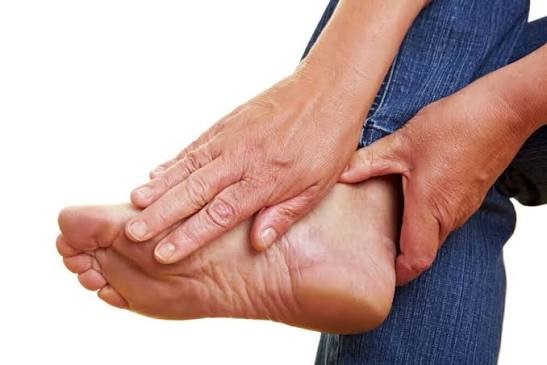
Foot fatigue is something many people experience, whether they spend long hours standing at work, walk frequently, or enjoy sports and other physical activities. While tired, aching feet may seem like a small problem, ongoing foot fatigue can affect your comfort, posture, mobility, and overall quality of life.
The good news is that foot fatigue can often be relieved with the right care. Wearing supportive footwear, giving your feet adequate rest, and following simple daily habits can help reduce discomfort and keep your feet feeling healthy. Understanding what causes foot fatigue is the first step toward finding lasting relief.
Why Foot Fatigue Happens
Your feet are made up of 26 bones, 33 joints, and more than 100 muscles, tendons, and ligaments that work together to support your body with every step you take. When these structures are exposed to repeated stress or don’t get the support they need, your feet can become tired, sore, and fatigued.
Some of the most common causes of foot fatigue include:
Standing for long hours
Walking or working on hard surfaces
Wearing shoes that lack proper support
High-impact activities such as running or jumping
Excess body weight, which increases pressure on the feet
Poor foot alignment or abnormal walking patterns
Identifying the cause of your foot fatigue is the first step toward finding the right treatment and preventing future discomfort.
Common Signs of Foot Fatigue
Foot fatigue usually develops over time rather than appearing suddenly. Paying attention to the early signs can help you address the problem before it worsens.
Common symptoms include:
Aching feet, especially at the end of the day
A burning sensation in the soles
Tightness or discomfort in the arches
Mild swelling in the feet
Muscle soreness or tenderness
Difficulty standing for long periods
If you experience these symptoms regularly, it’s a good idea to seek a professional evaluation. Identifying the underlying cause early can help you find the right treatment and prevent ongoing discomfort.
Who Is Most Affected by Foot Fatigue?
Foot fatigue can affect anyone, but some people are more likely to experience it because they spend long hours on their feet or engage in physically demanding activities.
Those at higher risk include:
Healthcare professionals
Teachers
Retail workers
Factory employees
Construction workers
Runners and athletes
Frequent travelers
Older adults
Because these individuals place more stress on their feet each day, wearing supportive footwear, taking regular breaks, and practicing good foot care are especially important for preventing fatigue and maintaining foot health.
Effective Foot Fatigue Relief Methods
1. Wear Supportive Footwear
The right shoes can make a big difference in preventing and relieving foot fatigue. Supportive footwear helps reduce pressure on your heels and arches, improves stability, and provides better cushioning with every step.
Choose shoes that offer good arch support, adequate cushioning, and a comfortable fit to keep your feet feeling comfortable throughout the day.
2. Stretch Before and After Activity
Taking a few minutes to stretch before and after physical activity can help improve flexibility, reduce muscle tightness, and ease stress on your feet.
Some effective stretches include:
Calf stretches
Toe stretches
Plantar fascia stretches
Regular stretching helps keep your feet and lower legs flexible, reducing the risk of foot fatigue and discomfort.
3. Elevate Your Feet
After a long day of standing or walking, elevating your feet can help reduce swelling, improve circulation, and ease tired muscles.
For the best results, raise your feet above heart level for 15–20 minutes. This simple habit can relieve foot fatigue, reduce discomfort, and help your feet recover more quickly.
4. Massage Your Feet
A gentle foot massage is a simple way to relieve tired, aching feet after a busy day. You can use your hands or roll a massage ball under the soles of your feet to ease discomfort.
Benefits of foot massage include:
Relaxing tired muscles
Improving blood circulation
Reducing tension and stiffness
Even a few minutes of massage each day can help your feet feel more refreshed and comfortable.
5. Stay Hydrated
Drinking enough water is important for healthy muscles and overall foot health. Dehydration can contribute to muscle fatigue, cramps, and discomfort, especially after long periods of standing or physical activity.
Staying well hydrated throughout the day helps your muscles function properly, reduces the risk of cramping, and supports faster recovery from foot fatigue.
6. Take Short Movement Breaks
If your job involves standing or sitting for long periods, taking short movement breaks can help keep your feet and legs from becoming stiff and tired.
Try to get up, stretch, or walk around for a few minutes every hour. These simple breaks improve blood circulation, reduce muscle stiffness, and help prevent foot fatigue throughout the day.
Simple Daily Habits to Prevent Foot Fatigue
Morning Routine for Healthy, Energized Feet
Starting your day with a few simple habits can help prevent foot fatigue and keep your feet comfortable throughout the day.
Stretch your calf muscles and foot arches to improve flexibility.
Wear supportive, well-fitting shoes that provide good cushioning.
Choose moisture-wicking socks to keep your feet dry and comfortable.
These small morning habits can go a long way in reducing strain on your feet and preparing them for the day ahead.
During the Day
Keeping your feet moving throughout the day can help reduce fatigue and improve circulation, especially if your job requires long hours of standing or sitting.
Change your position regularly instead of staying in one place.
Take short walking breaks whenever possible.
Avoid standing in the same spot for long periods.
These simple habits can reduce strain on your feet, improve comfort, and help prevent tired, aching feet by the end of the day.
Evening Routine
Ending your day with a little foot care can help relieve fatigue and prepare your feet for the next day.
Elevate your feet for a few minutes to reduce swelling and improve circulation.
Gently massage sore or tired areas to relax the muscles and ease tension.
Apply a moisturizer to keep your skin soft and prevent dryness or cracking.
A simple evening routine can help your feet recover, stay healthy, and feel refreshed every day.
Common Mistakes That Increase Foot Fatigue
Some everyday habits can put extra stress on your feet and make foot fatigue worse. Avoiding them can help keep your feet comfortable and reduce the risk of ongoing discomfort.
Try to avoid:
Wearing worn-out or unsupportive shoes
Ignoring early signs of foot discomfort
Walking barefoot on hard surfaces
Skipping regular stretching
Carrying excess body weight, which increases pressure on your feet
Making these simple changes can improve your comfort, reduce foot fatigue, and support better long-term foot health.
How to Prevent Foot Fatigue from Coming Back
Preventing recurring foot fatigue starts with taking good care of your feet every day. A few simple habits can go a long way in keeping your feet strong, comfortable, and ready for daily activities.
To reduce the risk of foot fatigue:
Maintain a healthy body weight to reduce pressure on your feet.
Replace worn-out shoes regularly to ensure proper support and cushioning.
Strengthen your foot muscles with simple exercises.
Stretch your feet and calf muscles every day to improve flexibility.
Give your feet time to rest and recover after intense physical activity.
Following these healthy habits can help prevent recurring foot fatigue and keep your feet feeling comfortable for longer.
When to Visit a Podiatrist
While occasional foot fatigue is common, persistent or worsening symptoms should not be ignored. Seeing a podiatrist early can help identify the underlying cause and prevent more serious foot problems.
Consider scheduling an appointment if:
Foot fatigue doesn’t improve with rest.
Pain interferes with your daily activities.
Swelling lasts for several days.
You experience numbness or tingling in your feet.
Walking becomes painful or difficult.
An early evaluation can lead to the right treatment, faster relief, and better long-term foot health.
FAQs
Yes. In many cases, foot fatigue can be prevented by wearing supportive footwear, stretching regularly, taking short movement breaks, and following healthy daily foot care habits.
Sometimes. Ongoing foot fatigue can be linked to underlying conditions such as flat feet, poor circulation, arthritis, or nerve-related problems. If your symptoms persist, a professional evaluation can help identify the cause.
Walking barefoot on hard surfaces can place extra stress on your arches and heels, which may lead to foot fatigue and discomfort. Wearing supportive footwear can help protect your feet and reduce strain.
Yes. Orthotic insoles provide better arch support and distribute pressure more evenly across your feet, helping reduce muscle strain, improve comfort, and relieve foot fatigue.