
Heel Pain Relief: Effective Treatments, Exercises & Prevention
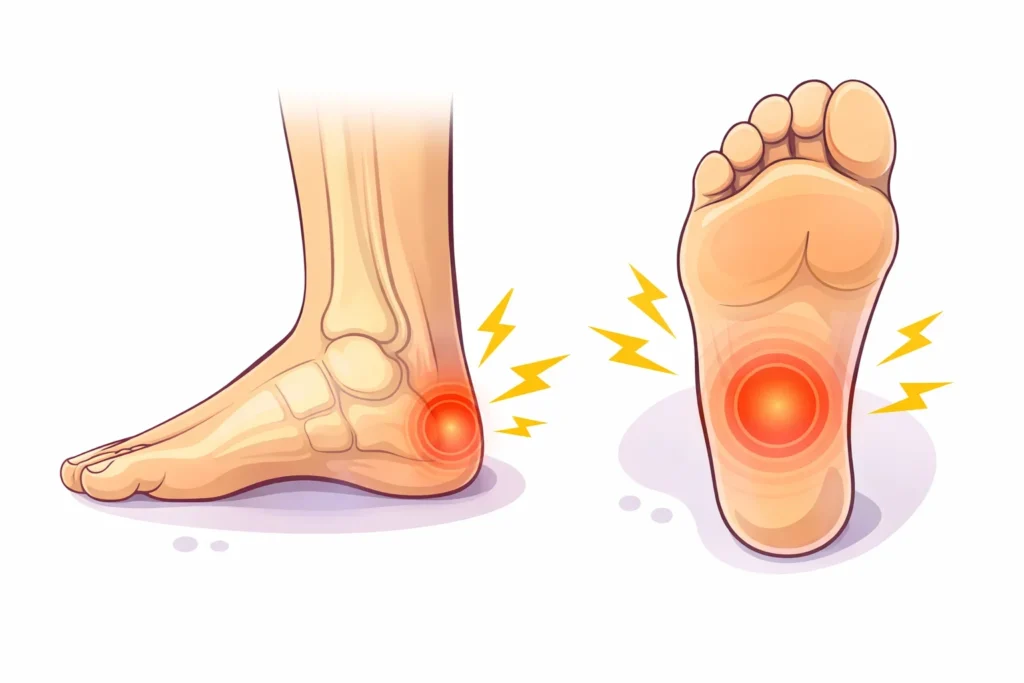
Heel pain is among the most common foot problems among people of all ages. Whether the pain starts after a morning walk, after standing for long periods of time or after exercising, it can interfere with your daily activities and diminish your quality of life.
The first step in finding the right heel pain relief is understanding what is causing your symptoms. Early treatment and healthy foot habits can reduce pain, improve mobility and help prevent future complications.
Understanding Heel Pain
Heel pain is not a disease on its own. Instead, it is often a sign that something is affecting the bones, muscles, ligaments, or tendons in your heel.
You may notice heel pain:
When you take your first steps in the morning
After standing for a long time
While walking or running
Following exercise or other physical activities
By the end of a busy day
Heel pain often begins as a mild discomfort and gradually worsens over time. Getting it checked early can help prevent ongoing pain and make treatment more effective.
Common Conditions Behind Heel Pain
Several conditions can cause heel pain, and identifying the underlying cause is the first step toward effective treatment.
Plantar Fasciitis
One of the most common causes of heel pain is plantar fasciitis. It occurs when the plantar fascia – a thick band of tissue that supports the arch of your foot – becomes irritated or inflamed. This often leads to a sharp, stabbing pain in the heel, especially when taking your first steps in the morning or after long periods of rest.
Heel Spurs
Heel spurs are small, bony growths that develop on the underside of the heel bone due to calcium deposits. While not all heel spurs cause symptoms, they can lead to pain and discomfort when walking, standing for long periods, or putting pressure on the heel. They are often associated with long-term strain on the foot and may occur alongside plantar fasciitis.
Achilles Tendinitis
Achilles tendinitis occurs when the Achilles tendon, which connects your calf muscles to your heel bone, becomes irritated or inflamed due to overuse. It commonly causes pain and stiffness at the back of the heel, especially after walking, running, exercising, or climbing stairs. Without proper care, the discomfort can gradually worsen and affect your daily activities.
Foot Muscle Strain
The muscles that support your feet can become strained from standing for long hours, increased physical activity, or repetitive movements. This can lead to pain, soreness, and tenderness around the heel, making it uncomfortable to walk or stay on your feet for extended periods. Rest, proper footwear, and stretching can often help relieve the discomfort.
Warning Signs of Heel Pain
Heel pain often develops gradually rather than appearing suddenly. Paying attention to the early signs can help you seek treatment before the condition becomes more severe.
Common symptoms include:
Sharp pain when taking your first steps in the morning
Tenderness or soreness under the heel
Swelling around the heel area
Discomfort while walking barefoot
Stiffness after sitting or resting for a while
Recognizing these symptoms early and getting the right care can help relieve pain, speed up recovery, and prevent the problem from worsening.
Five Effective Heel Pain Relief Methods
1. Stretch the Plantar Fascia
Gentle stretching exercises can help relieve tension in the plantar fascia, improve flexibility, and reduce heel pain over time.
Some effective stretches include:
Calf stretches
Towel stretches
- Toe stretches
Spending just a few minutes each day on these simple exercises can ease stiffness and make those first steps in the morning much more comfortable. Consistent stretching also helps support long-term foot health.
2. Wear Supportive Footwear
The shoes you wear play a major role in keeping your feet comfortable and reducing heel pain. Choosing footwear with the right support can ease pressure on the heel and improve overall foot alignment.
Look for shoes that offer:
Good arch support
Effective shock absorption
Soft, cushioned heels
Wearing supportive footwear every day can help reduce strain on the heel, improve comfort while walking, and prevent your symptoms from getting worse.
3. Apply Ice Therapy
Applying a cold pack to the affected heel can help reduce inflammation and relieve pain, especially after walking, exercising, or spending long hours on your feet.
For the best results:
Apply ice for 15–20 minutes at a time.
Repeat a few times a day if needed.
Always wrap the ice pack in a thin towel or cloth to protect your skin.
Regular ice therapy can help ease discomfort and support a quicker recovery.
4. Use Orthotic Insoles
Orthotic insoles provide extra support by distributing pressure more evenly across your feet and improving overall foot alignment. They can help reduce stress on the heel, making walking and standing more comfortable.
People with flat feet, high arches, or ongoing heel pain often benefit from custom-made or well-fitted orthotic insoles. Using the right insoles can improve comfort, support proper foot function, and help prevent heel pain from returning.
5. Modify Daily Activities
You don’t always have to stop being active to recover from heel pain. Making a few simple changes to your daily routine can reduce strain on your heel while allowing it to heal.
Try these adjustments:
Cut back on high-impact activities such as running or jumping.
Choose low-impact exercises like swimming or cycling.
Take regular breaks if you stand for long periods.
Avoid staying on your feet continuously whenever possible.
These small lifestyle changes can ease discomfort, support healing, and help prevent your heel pain from getting worse.
Daily Habits That Speed Recovery
Recovering from heel pain takes time, and small daily habits can make a big difference. Staying consistent with your foot care routine not only supports healing but also helps prevent the pain from returning.
Here are a few simple habits to follow:
Stretch your feet and calves every morning.
Replace worn-out shoes with supportive footwear.
Maintain a healthy body weight to reduce pressure on your heels.
Give your feet time to rest after standing or walking for long periods.
Gently massage the bottom of your foot to relieve tension and improve comfort.
Practicing these habits every day can keep your feet healthier, reduce discomfort, and lower the risk of recurring heel pain.
Mistakes That Make Heel Pain Worse
Recovering from heel pain can take longer if certain everyday habits continue to put extra stress on your feet. Avoiding these common mistakes can help speed up healing and reduce the risk of ongoing discomfort.
Try to avoid:
Walking barefoot on hard surfaces
Wearing flat sandals or unsupportive footwear
Ignoring heel pain in its early stages
Returning to sports or intense exercise too soon
Wearing shoes that don’t provide proper arch support
Making a few simple changes to your daily routine can protect your heels, promote faster recovery, and help prevent the pain from coming back.
Prevention Tips
While it’s not always possible to prevent heel pain, adopting a few healthy habits can significantly lower your risk and keep your feet feeling their best.
Prevention Checklist
Stretch your feet and calf muscles before exercising.
Wear well-fitting shoes that provide good arch support and cushioning.
Keep your muscles and tendons flexible with regular stretching.
Increase your activity level gradually to avoid putting sudden stress on your feet.
Replace running shoes every 300–500 miles or when they start to lose their support and cushioning.
Taking these simple steps can help protect your heels, reduce the risk of injury, and keep you active without unnecessary foot pain.
When to See a Doctor for Heel Pain
While mild heel pain may improve with rest and home care, persistent or severe symptoms should be evaluated by a healthcare professional. Early diagnosis can help identify the underlying cause and prevent the condition from becoming more serious.
Consider scheduling a medical evaluation if you experience:
Heel pain that lasts longer than a week
Significant swelling around the heel
Pain that makes walking difficult
Heel pain even while resting
Heel pain that keeps coming back
Seeking treatment early can lead to faster recovery, more effective treatment, and a lower risk of long-term complications.
FAQs
No. Heel pain can also be caused by heel spurs, Achilles tendon injuries, stress fractures, arthritis, or nerve-related conditions. A proper diagnosis helps ensure the right treatment.
Yes. Regular stretching helps improve flexibility, reduce strain on the plantar fascia and calf muscles, and may help relieve heel pain over time.
Many people find relief from heel pain by using properly fitted orthotic insoles. They provide better arch support, improve foot alignment, and help reduce pressure on the heel.
Yes. Heel pain can return if you stop wearing supportive footwear, skip stretching, or neglect regular foot care. Maintaining these healthy habits can help prevent future flare-ups.