
Foot Cramps Relief: Causes, Treatment & Prevention Tips
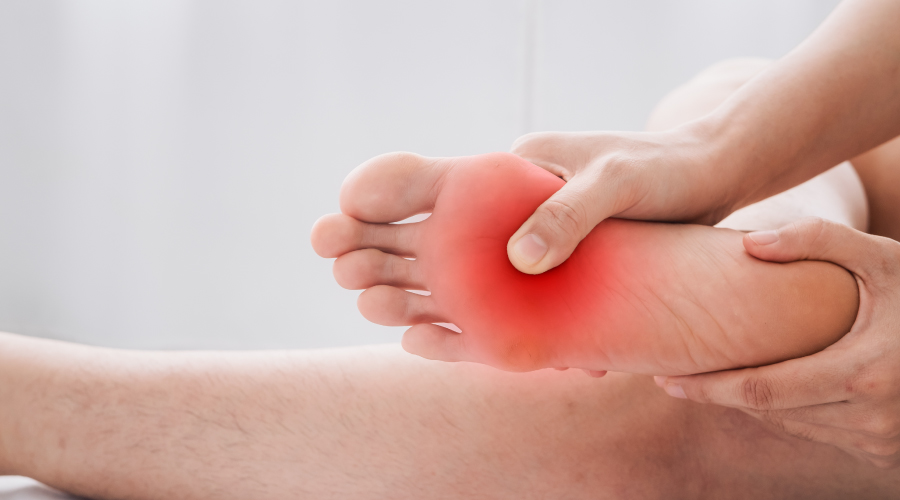
Foot cramps can come on suddenly, causing sharp, painful muscle contractions that may interrupt walking, exercise, or even a good night’s sleep. Although most cramps last only a few minutes, frequent or recurring episodes could be a sign of muscle fatigue, dehydration, poor circulation, or an underlying health condition.
The good news is that foot cramps can often be managed with the right care. Understanding what triggers your cramps, staying hydrated, stretching regularly, and making a few healthy lifestyle changes can help reduce how often they occur. If the cramps persist or become severe, seeking professional care can help identify the underlying cause and provide lasting relief.
What Are Foot Cramps?
A foot cramp is a sudden, involuntary tightening of the muscles, most commonly affecting the arch, toes, or sole of the foot. These muscle contractions can cause sharp pain and make it difficult to move or put weight on your foot for a short time.
Although most foot cramps go away on their own within a few minutes, frequent or recurring cramps shouldn’t be ignored, as they may be a sign of an underlying issue that needs attention.
Common Reasons for Foot Cramps
1. Dehydration
Not drinking enough water can affect how your muscles function, making them more likely to cramp. Dehydration becomes even more common after exercise, during hot weather, or when you’ve been active for long periods without replacing lost fluids.
Staying well hydrated throughout the day can help support healthy muscle function and reduce the risk of foot cramps.
2. Muscle Overuse
Overusing the muscles in your feet can lead to cramping, especially after long walks, intense workouts, or spending many hours standing. When the muscles become tired and overworked, they are more likely to tighten unexpectedly.
Giving your feet time to rest, stretching regularly, and gradually increasing your activity level can help reduce the risk of muscle-related foot cramps.
3. Poor Footwear
Wearing shoes that don’t provide enough cushioning or arch support can put extra strain on the muscles in your feet. Over time, this added stress may increase the likelihood of foot cramps, discomfort, and fatigue.
Choosing supportive, well-cushioned footwear can help protect your feet, improve comfort, and reduce the risk of cramping.
4. Vitamin and Mineral Imbalances
Your muscles rely on essential minerals such as magnesium, potassium, and calcium to function properly. Low levels of these nutrients may increase the risk of muscle cramps, including those that affect the feet.
Eating a balanced, nutrient-rich diet can help support healthy muscle function and may reduce the frequency of foot cramps.
5. Poor Blood Circulation
Healthy blood flow is essential for delivering oxygen and nutrients to your muscles. When circulation is reduced, the muscles in your feet may not receive enough oxygen, which can increase the likelihood of cramps.
Improving circulation through regular movement, exercise, and proper medical care when needed can help support healthy muscle function and reduce cramping.
6. Medical Conditions
In some cases, frequent or recurring foot cramps may be linked to an underlying medical condition rather than muscle fatigue alone.
Conditions that can contribute to foot cramps include:
Diabetes
Nerve disorders
Flat feet
Arthritis
Peripheral artery disease
If your foot cramps occur often, become severe, or don’t improve with simple home care, it’s important to seek a professional evaluation to identify the underlying cause and receive the right treatment.
Symptoms You May Experience with Foot Cramps
Along with the sudden tightening of the muscles, foot cramps can cause several other uncomfortable symptoms. These may continue for a short time even after the cramp has eased.
Common symptoms include:
Sharp, intense pain
Muscle stiffness or tightness
Difficulty moving or stretching the foot
Tenderness or soreness after the cramp
Muscle fatigue in the affected area
If these symptoms persist or your foot cramps occur frequently, it’s a good idea to seek a professional evaluation to identify the underlying cause and receive appropriate treatment.
Effective Ways to Relieve Foot Cramps
1. Gentle Stretching
When a foot cramp occurs, gently stretching the affected muscle can help relax it and ease the pain. Move slowly and avoid forcing the stretch, as this may make the discomfort worse.
Helpful stretches include:
Toe stretches
Calf stretches
Plantar fascia stretches
Regular stretching can also improve flexibility and may help reduce the frequency of future foot cramps.
2. Massage the Affected Area
Gently massaging the cramped muscle can help it relax, improve blood circulation, and reduce pain. Use slow, gentle pressure until the muscle begins to loosen.
You can also roll a massage ball or a tennis ball under your foot to relieve tension and ease discomfort. Regular foot massage may help reduce muscle tightness and lower the risk of future cramps.
3. Apply Warm or Cold Therapy
Both heat and cold therapy can help relieve discomfort caused by foot cramps. A warm compress or heating pad helps relax tight muscles and ease the cramp, while an ice pack can reduce soreness and inflammation after the muscle has relaxed.
Choose the option that feels most comfortable, and always protect your skin by wrapping heat or ice packs in a cloth before applying them.
4. Stay Hydrated
Staying well hydrated is one of the simplest ways to help prevent foot cramps. Drinking enough water supports normal muscle function and reduces the risk of cramps caused by dehydration.
Make it a habit to drink water consistently throughout the day, especially during hot weather, after exercise, or whenever you’re physically active.
5. Wear Supportive Footwear
Wearing supportive shoes can help reduce stress on the muscles in your feet and provide the arch support needed for comfortable movement throughout the day.
Choose footwear with good cushioning, proper arch support, and a comfortable fit to help prevent muscle strain and lower the risk of foot cramps.
Daily Habits to Prevent Foot Cramps
Morning Routine to Help Prevent Foot Cramps
A few simple morning habits can help keep your muscles relaxed and reduce the risk of foot cramps throughout the day.
Gently stretch your feet and toes before getting out of bed.
Start your day by drinking a glass of water to stay hydrated.
These small steps can improve muscle flexibility, support healthy circulation, and help lower the chances of recurring foot cramps.
During the Day
Simple habits throughout the day can help reduce muscle strain and lower the risk of foot cramps.
Wear supportive, well-cushioned shoes.
Take regular breaks if you have to stand for long periods.
Drink water consistently to stay hydrated.
These everyday practices can help keep your feet comfortable and your muscles functioning properly.
Evening Routine
Ending your day with a few simple foot care habits can help relax your muscles and reduce the risk of nighttime foot cramps.
Gently stretch your feet and calf muscles before going to bed.
Massage tired or tight muscles to relieve tension.
Elevate your feet for a few minutes if they feel tired or swollen.
These relaxing habits can support muscle recovery, improve comfort, and help keep foot cramps from returning.
Common Habits That Can Trigger Foot Cramps
Certain everyday habits can increase your chances of developing foot cramps or make existing cramps more frequent. Making a few simple changes can help keep your muscles healthy and reduce discomfort.
Try to avoid:
Ignoring dehydration or not drinking enough water
Wearing shoes that lack proper support and cushioning
Skipping warm-up or stretching exercises before physical activity
Standing in the same position for long periods
Ignoring frequent or recurring muscle cramps
Correcting these habits can help reduce both the frequency and intensity of foot cramps while supporting better overall foot health.
Tips to Prevent Foot Cramps
A few simple lifestyle habits can go a long way in reducing your risk of foot cramps and keeping your muscles healthy.
To help prevent foot cramps:
Stretch your feet and calf muscles every day.
Drink enough water to stay well hydrated.
Eat a balanced diet rich in essential vitamins and minerals.
Replace worn-out shoes with supportive footwear.
Stay physically active to improve muscle strength and circulation.
Keeping your muscles healthy and maintaining good blood circulation are important steps in preventing foot cramps and supporting overall foot health.
When to See a Doctor for Foot Cramps
Occasional foot cramps are common, but frequent or persistent cramps may be a sign of an underlying condition that needs medical attention.
Consider scheduling an evaluation if:
You experience foot cramps several times a week.
Pain continues even after the muscle has relaxed.
You notice swelling, numbness, or tingling in your foot.
Walking becomes painful or uncomfortable.
Home remedies no longer provide relief.
An early evaluation can help identify the underlying cause and ensure you receive the most effective treatment.
FAQs
Yes. Dehydration can increase the risk of foot cramps by affecting normal muscle function.
Yes. Supportive footwear helps reduce muscle strain, improve foot alignment, and lower the risk of foot cramps.
Yes. Diabetes can affect the nerves and blood circulation, which may increase the risk of foot cramps.
Yes. Gentle stretching can help relax tight muscles, relieve foot cramps, and reduce the chances of them recurring.