
Best Exercises for Flat Feet: Improve Strength & Reduce Pain
The best exercises for flat feet can help strengthen foot muscles, improve arch support, and reduce discomfort while walking or standing. Flat feet occur when the arches collapse or fail to develop properly, placing extra pressure on the feet and ankles.
However, regular foot exercises and supportive habits can improve flexibility, balance, and overall foot health. Strengthening the muscles in the feet and lower legs may also help reduce strain, improve posture, and make daily activities more comfortable.
How Do Flat Feet Affect Your Daily Life?
Flat feet can affect more than just the arches. Many people experience discomfort in the heels, ankles, knees, or even the lower back due to improper foot alignment and uneven pressure distribution.
Common symptoms of flat feet include:
Arch pain
Foot fatigue
Heel discomfort
Swelling around the ankles
Pain after standing or walking for long periods
Over time, these symptoms may interfere with daily activities and overall mobility. However, regular strengthening exercises, stretching, and supportive footwear can help improve foot stability and reduce discomfort gradually.
Why Exercises Help Flat Feet
The best exercises for flat feet can help strengthen the muscles in your feet, improve flexibility, and provide better support for the arches. These exercises may also reduce pressure on the feet, improve balance, and promote better posture during daily activities.
With consistent practice, simple stretches and strengthening movements can help ease discomfort and improve overall foot function. Therefore, staying active and following a regular foot-care routine is important for long-term relief and better mobility.
Best Exercises For Flat Feet
1. Toe Curl Exercise
Place a towel on the floor and use your toes to slowly pull it toward you.
Benefits:
Helps strengthen the muscles that support the arches
Improves foot strength and control
2. Heel Raise Exercise
Stand upright and slowly lift your heels off the floor, then lower them back down in a controlled motion.
Benefits:
Improves ankle stability
Strengthens the feet and calf muscles
3. Arch Lift Exercise
While standing, gently raise the arch of your foot without curling your toes.
Benefits:
Activates the muscles that support the arch
Helps improve foot alignment and stability
Example:
Weak arches can sometimes lead to foot pain, tiredness, and discomfort while walking. Read our foot arch pain treatment guide to learn more about managing these symptoms.
4. Calf Stretch
Stretching the calf muscles regularly can improve flexibility and reduce extra strain on the feet and ankles.
Benefits:
Improves lower leg flexibility
Helps reduce pressure on the arches
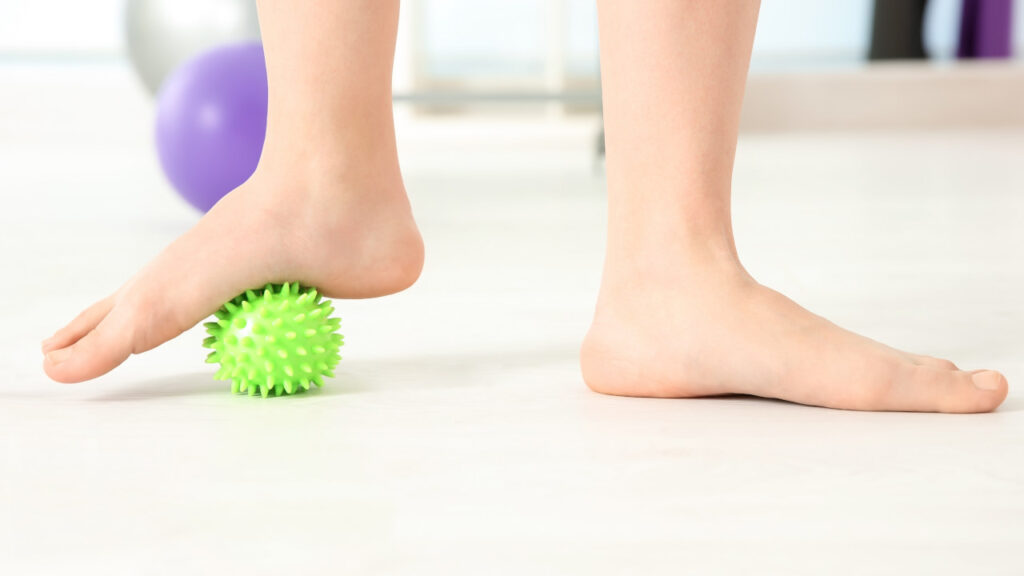
5. Tennis Ball Roll
Roll a tennis ball gently under your foot for a few minutes to massage the muscles and tissues.
Benefits:
Helps relieve muscle tension
Improves blood circulation and foot relaxation
Mistakes That Can Worsen Flat Feet
To manage flat feet effectively, it’s important to avoid habits that may place extra strain on your feet and arches.
Common habits to avoid include:
Wearing unsupportive flat shoes
Ignoring foot pain or fatigue
Standing for long periods without taking breaks
Skipping regular stretching and strengthening exercises
Over time, these habits can increase discomfort and affect overall foot alignment. However, using supportive footwear, staying active, and following a regular exercise routine can help keep your feet healthy and reduce strain.
Daily Routine For Flat Feet Relief
Simple Daily Routine for Flat Feet
- Toe curls – 1 minute
- Heel raises – 1 minute
- Arch lifts – 1 minute
- Calf stretches – 1 minute
- Tennis ball roll – 1 minute
Following this simple routine daily can help strengthen foot muscles, improve flexibility, and support better arch function over time. Even a few minutes of regular exercise may help reduce foot strain, improve balance, and make walking or standing more comfortable.
Additional Tips For Flat Feet
1. Wear Supportive Shoes
Wearing shoes with proper arch support and cushioning can help reduce pressure on the feet and improve overall comfort while walking or standing.
Example:
Supportive footwear plays an important role in reducing foot strain and improving stability. Check out our guide on the best shoes for foot pain to learn more.
2. Use Orthotic Inserts
Orthotic inserts can provide extra arch support, improve foot alignment, and help distribute pressure more evenly across the feet. They may also help reduce discomfort during daily activities.
3. Maintain a Healthy Weight
Maintaining a healthy weight can reduce excess pressure on the feet, ankles, and joints. This may help improve comfort, reduce fatigue, and support better foot health over time.
Signs Your Flat Feet Need Medical Attention
You should consider seeking professional care if you experience:
- Persistent foot pain
- Swelling around the ankles
- Difficulty walking or standing comfortably
- Pain that gradually worsens over time
These symptoms may indicate increased strain on the feet, improper alignment, or an underlying condition that requires medical attention. Early evaluation and treatment can help prevent further discomfort and improve mobility.
When Should You See a Podiatrist?
You should seek professional care if:
Exercises do not improve your symptoms
Walking or standing becomes painful
You experience severe swelling, instability, or difficulty balancing
These signs may indicate that your flat feet require medical evaluation or additional support. However, early treatment and proper care can help reduce discomfort, improve mobility, and prevent long-term complications.
FAQs
Toe curls, heel raises, arch lifts, and calf stretches help strengthen the feet, improve arch support, and reduce discomfort.
Exercises may not completely correct flat feet, but they can help strengthen the feet, improve arch support, and reduce pain or discomfort.
Doing foot exercises daily can help improve strength, flexibility, and arch support for better long-term results.