
Why Do My Feet Hurt When Walking? Causes & Relief Tips
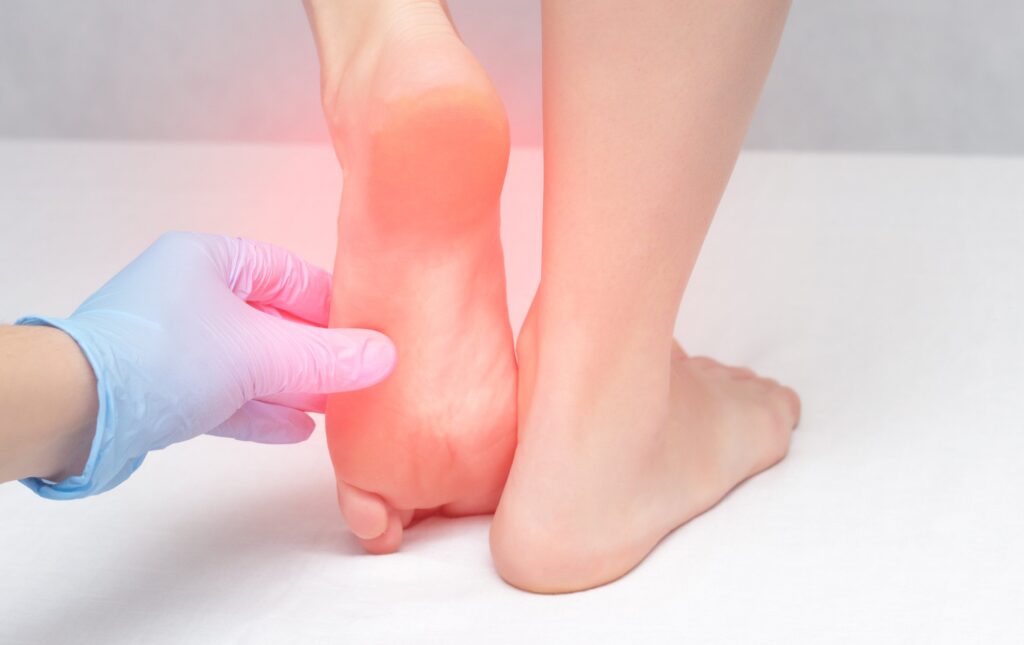
If you have ever wondered, “Why do my feet hurt when walking?” you are not alone. Foot pain while walking is a common issue that affects people of all ages. The discomfort may start gradually over time or appear suddenly, depending on the underlying cause.
Whether the pain is mild or severe, understanding what is causing it is important for getting the right treatment and preventing long-term foot problems. Early attention to foot pain can also help you stay active, comfortable, and mobile in your daily life.
Why Does Walking Cause Foot Pain?
Walking puts constant pressure on your heels, arches, toes, and foot joints. When your feet become strained, injured, or lack proper support, even simple movements can become painful and uncomfortable.
Some of the most common symptoms include:
Sharp pain in the heel
Burning or tingling sensations
Discomfort in the arch area
Pain in the toes
Swelling or soreness after walking
If foot pain continues while walking, it’s important not to ignore it. Early care can help prevent the condition from getting worse and improve your overall comfort and mobility.
Common Causes Of Foot Pain While Walking
1. Plantar Fasciitis
One of the most common reasons for heel pain while walking is plantar fasciitis, a condition caused by inflammation of the plantar fascia — the thick band of tissue that supports the arch of your foot.
Common symptoms include:
- Sharp pain in the heel
Pain that feels worse after resting or in the morning
Tightness or discomfort in the arch area
Example:
Heel pain while walking may be connected to inflammation in the plantar fascia. You can learn more in our plantar fasciitis treatment guide.
2. Flat Feet
Flat feet can place extra stress on the arches, ankles, and surrounding muscles while walking. Over time, this added pressure may lead to pain and fatigue in the feet.
Example:
Poor arch support can increase strain on your feet. Read our flat feet treatment blog to understand more about causes and care options.
3. Improper Footwear
Wearing shoes without proper cushioning or arch support can put extra pressure on your feet. Tight, worn-out, or unsupportive footwear may worsen pain, especially during long walks or standing for extended periods.
4. Corns and Calluses
Corns and calluses develop due to repeated friction or pressure on the skin. These thickened areas can become painful while walking, particularly when they form on weight-bearing parts of the foot.
5. Overuse or Muscle Strain
Walking long distances, standing for hours, or suddenly increasing physical activity can strain the muscles and tissues in your feet. This often leads to soreness, inflammation, and discomfort during movement.
Daily Habits That May Be Causing Foot Pain
Certain everyday habits can unknowingly make foot pain worse over time. Even small amounts of repeated strain can lead to discomfort while walking or standing.
Some common habits that may contribute to foot problems include:
Wearing worn-out or unsupportive shoes
Walking barefoot on hard surfaces regularly
Standing for long hours without proper rest
Ignoring early signs of foot pain or discomfort
Making a few simple changes to your daily routine can go a long way in improving foot comfort and preventing future pain.
Best Ways To Relieve Foot Pain When Walking
1. Wear Supportive Footwear
Choosing shoes with proper cushioning and good arch support can help reduce pressure on your feet while walking. Supportive footwear also improves comfort and helps prevent strain on the heels and arches.
2. Stretch Your Feet Regularly
Simple stretching exercises can improve flexibility, reduce muscle tightness, and ease foot discomfort caused by walking or standing for long hours.
Example:
Daily foot stretches may help relieve walking-related pain and stiffness. Read our foot stretching exercises guide for helpful routines.
3. Rest and Ice Therapy
Giving your feet enough rest and applying ice packs can help reduce inflammation, swelling, and soreness after physical activity. This is especially useful if pain worsens after long periods of walking.
4. Use Orthotic Inserts
Orthotic inserts provide extra cushioning and support for your feet. They can improve foot alignment, reduce pressure points, and make walking more comfortable.
5. Avoid Overuse
Walking or standing for extended periods without breaks can strain the muscles and joints in your feet. Taking short breaks throughout the day can help reduce stress and prevent discomfort from getting worse.
Prevention Tips For Foot Pain
Replace worn-out shoes regularly to maintain proper support and cushioning
Maintain a healthy weight to reduce extra pressure on your feet and joints
Stretch your feet and calves before physical activity to improve flexibility
Avoid walking barefoot on hard surfaces, as it can strain the heels and arches
Give your feet proper rest after long walks or extended standing
Taking preventive care steps early can help protect your feet and reduce the risk of long-term foot problems.
Signs Your Foot Pain Needs Medical Attention
You should consider seeing a podiatrist if:
Foot pain continues for more than a few days
Swelling, redness, or warmth develops in the affected area
Walking or standing becomes difficult
Home remedies and rest are not providing relief
These symptoms may indicate an underlying foot condition that requires professional evaluation and proper treatment.
When Should You See a Podiatrist?
It’s important to seek professional care if:
Foot pain starts affecting your daily activities or mobility
Symptoms continue to worsen over time instead of improving
You experience numbness, tingling, or severe swelling in your feet
However, getting an early diagnosis and proper treatment can help speed up recovery and prevent more serious foot problems in the future.
FAQs
Foot pain while walking can result from plantar fasciitis, flat feet, poor footwear, or overuse of the feet.
Yes, wearing worn-out or unsupportive shoes can put extra pressure on your feet and often leads to pain and discomfort.
Wearing supportive footwear, stretching regularly, and giving your feet proper rest can help reduce foot pain and improve comfort while walking.