
What Causes Foot Swelling? Symptoms, Treatment & Prevention
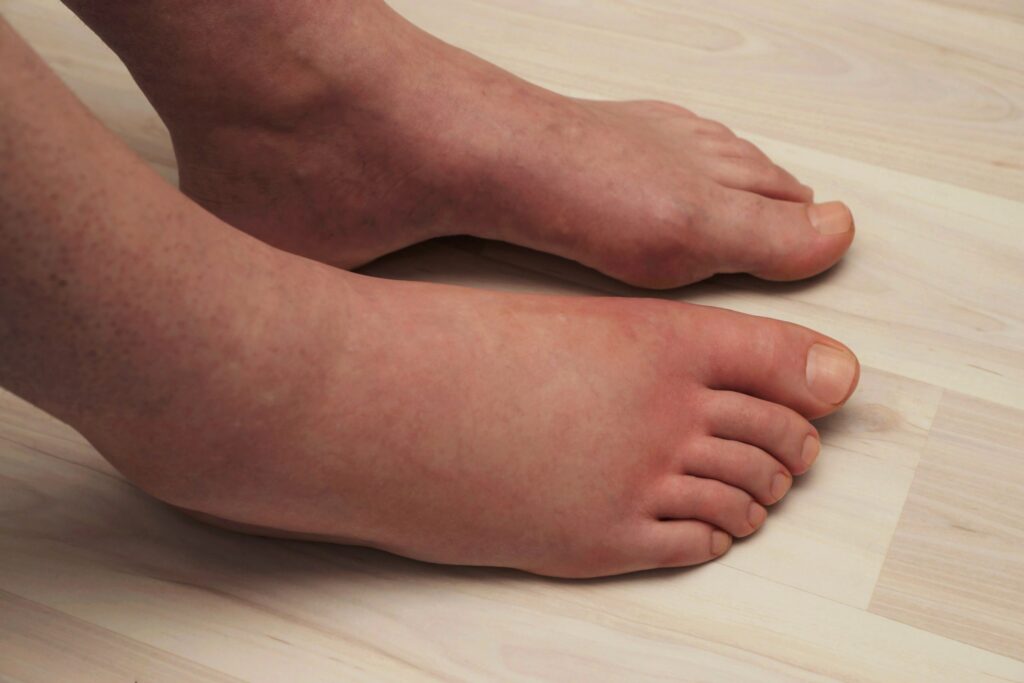
Do you have swollen feet after standing all day, or for no reason? What causes swollen feet ? Understanding the causes of foot swelling is important , as swollen feet may be caused by everyday activities , injuries or underlying health conditions .
Sometimes a little swelling will go down with rest. But don’t ignore swelling that continues or hurts. Early treatment and checkup can prevent complications and help you stay active.
Is Foot Swelling Normal?
After a long day walking or standing, it’s normal for your feet to swell a little. However, swelling that happens suddenly, is painful or doesn’t improve could mean there is a medical condition.
Ask yourself these questions:
- Does the swelling come every day?
- Are your feet of unequal size? (one foot swollen more than the other)
- Does the swelling come with pain or redness?
- Is it worse at night?
If you answered yes to any of these, it may be time to see a podiatrist.
What causes foot swelling?
Swollen feet can happen for many different reasons. Sometimes it’s caused by something as simple as standing too long, while in other cases it may be a sign of an underlying health condition. Understanding the cause is the first step toward finding the right treatment.
1. Standing or Sitting for Too Long
If you spend hours standing or sitting without moving, fluid can build up in your feet and ankles, leading to swelling. This is common among office workers, travelers, retail employees, and anyone with a sedentary lifestyle.
What you can do:
- Take a short walk every hour.
- Stretch your legs regularly.
- Elevate your feet whenever you have the chance.
2. Foot or Ankle Injury
An injury such as a sprained ankle, fracture, or strained muscle often causes swelling as part of your body’s natural healing process.
You may also notice:
- Bruising around the injured area
- Pain or tenderness
- Difficulty putting weight on your foot or walking
3. Poor Blood Circulation
Healthy circulation helps move blood and fluids throughout your body. When circulation is reduced, fluid can collect in your lower legs, ankles, and feet, causing them to swell.
Common risk factors include:
- Sitting or standing for long periods
- Getting older
- Certain medical conditions that affect blood flow
4. Pregnancy
Swollen feet and ankles are very common during pregnancy. As your body retains more fluid and the growing baby places extra pressure on blood vessels, swelling can become more noticeable—especially later in pregnancy.
While mild swelling is usually normal, sudden or severe swelling should never be ignored. Contact your healthcare provider promptly if you experience rapid swelling, especially if it’s accompanied by headaches, vision changes, or high blood pressure.
5. Underlying Medical Conditions
Persistent or recurring foot swelling can sometimes be a symptom of a more serious health condition. Common causes include:
- Diabetes
- Kidney disease
- Heart disease
- Arthritis
- Lymphedema
If your feet remain swollen for several days, become painful, or the swelling keeps returning, it’s important to seek medical advice. Early diagnosis can help prevent complications and ensure you receive the most appropriate treatment.
Warning Signs That Swelling May Be Serious
While mild foot swelling is often harmless, some symptoms can indicate a serious medical problem that needs urgent attention. Don’t ignore swelling if it’s accompanied by any of the following:
- Severe or worsening pain
- Fever or signs of infection
- Open wounds or sores that aren’t healing
- Skin that turns blue, pale, or feels unusually cold
- Sudden swelling in one foot or leg
- Shortness of breath or difficulty breathing
These symptoms could be linked to conditions such as a blood clot, serious infection, or problems with your heart or circulation. If you experience any of these warning signs, seek medical attention immediately. Prompt evaluation and treatment can help prevent serious complications.
How a Podiatrist Diagnoses Swollen Feet
To find the underlying cause of your swollen feet, a podiatrist will begin with a thorough evaluation. The goal is to identify what’s causing the swelling and recommend the most effective treatment.
Your evaluation may include:
- Reviewing your medical history and discussing your symptoms
- Examining your feet and ankles for signs of injury, inflammation, or infection
- Checking your blood circulation and nerve function
- Ordering X-rays or other imaging tests if a fracture or structural problem is suspected
- Recommending additional tests when needed to rule out underlying medical conditions
A proper diagnosis is the key to effective treatment. By identifying the exact cause of your foot swelling, your podiatrist can create a personalized treatment plan to relieve discomfort, improve mobility, and help prevent future problems.
Best Treatment Options
The best treatment for swollen feet depends on what’s causing the swelling. Once the underlying cause is identified, your podiatrist can recommend the most appropriate treatment to relieve discomfort and support healing.
Rest and Elevation
Giving your feet time to rest and elevating them above the level of your heart can help reduce swelling by encouraging excess fluid to drain away from your feet and ankles.
Compression Socks
Compression socks apply gentle pressure to your legs, improving blood circulation and helping prevent fluid from pooling in your feet. They can be especially helpful if you spend long hours sitting or standing.
Ice Therapy
If your swelling is caused by an injury, applying an ice pack for 15–20 minutes at a time can help reduce inflammation, ease pain, and speed up recovery. Always wrap the ice pack in a towel to protect your skin.
Supportive Footwear
Wearing well-fitting, supportive shoes can reduce stress on your feet and improve overall comfort. Proper footwear also helps distribute pressure evenly, which may reduce swelling and prevent future foot problems.
Daily Habits To Reduce Foot Swelling
Taking a few simple steps each day can go a long way in keeping your feet healthy and reducing the risk of swelling.
- Stay active: Regular walking and light exercise help improve blood circulation and prevent fluid from pooling in your feet and ankles.
- Drink plenty of water: Staying well hydrated helps your body maintain a healthy fluid balance and can reduce water retention.
- Limit your salt intake: Eating too much sodium can cause your body to retain extra fluid, leading to swelling. Choosing a balanced, low-sodium diet can help.
- Stretch your legs during long trips: Whether you’re traveling by car or plane, take breaks to walk around or perform simple ankle and calf stretches to keep your blood flowing.
- Wear supportive footwear: Comfortable, well-fitting shoes provide proper support, reduce pressure on your feet, and help prevent discomfort and swelling.
- Maintain a healthy weight: Keeping your weight within a healthy range reduces stress on your feet and ankles while supporting better circulation.
When Should You Call a Podiatrist?
Occasional foot swelling isn’t always a cause for concern, but persistent or recurring swelling should be evaluated by a podiatrist. Getting professional care early can help identify the underlying cause and prevent the problem from getting worse.
It’s a good idea to schedule an appointment if:
- Swelling lasts longer than 48 hours or doesn’t improve with rest.
- One foot is significantly more swollen than the other.
- Walking becomes painful or the swelling limits your daily activities.
- The swelling keeps coming back without a clear reason.
- You have diabetes and notice swelling in your feet or ankles, as this may require prompt medical attention.
Early diagnosis and treatment can often relieve symptoms faster, prevent complications, and help you get back to your normal routine with greater comfort and confidence.
FAQs
Swollen feet are commonly caused by prolonged standing or sitting, injuries, poor circulation, pregnancy, or underlying medical conditions such as diabetes, heart disease, or kidney disease.
No. Mild foot swelling often improves with rest, elevation, and self-care. However, if the swelling is persistent, painful, or keeps returning, it's important to see a podiatrist for evaluation.
Rest, elevate your feet, stay hydrated, wear supportive shoes, and avoid standing or sitting for long periods.