
Verruca Treatment: Symptoms, Causes, Prevention & Care
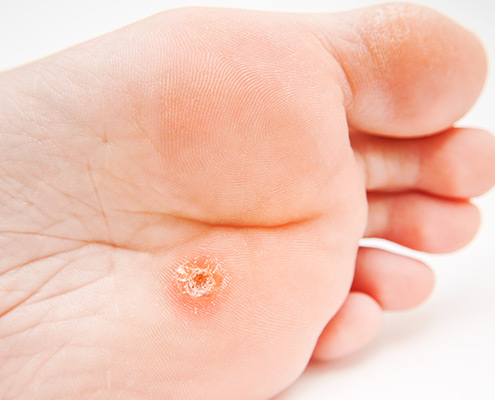
A verruca is a common viral growth that can appear on the skin of the foot. While many verrucas clear up on their own over time, they can become painful when they develop on weight-bearing areas such as the heel or ball of the foot.
Understanding verruca treatment options can help you manage discomfort, prevent the infection from spreading, and recognise when professional podiatry care may be needed.
Although some verrucas disappear naturally, others can be persistent. Seeking advice early can be helpful if a verruca becomes painful, keeps coming back, or starts affecting your daily activities.
What Is a Verruca?
A verruca is a type of wart that develops on the sole of the foot. It is caused by certain strains of the human papillomavirus (HPV).
Since the pressure created by standing and walking pushes the verruca deeper into the skin, it may look flatter than warts that appear on other areas of the body.
Common signs of a verruca include:
Rough or thickened skin
Small dark dots within the affected area
A round or circular shape
Tenderness while walking
Pain or discomfort when pressure is applied
You may also notice tiny black dots within the verruca. These are small blood vessels that have grown into the affected area and are a common feature of plantar warts./
Common Verruca Symptoms
Verrucas do not always cause noticeable symptoms. However, when they develop on areas of the foot that bear weight, such as the heel or ball of the foot, they can become uncomfortable or painful.
Common symptoms may include:
Pain when walking
Tenderness when standing
Rough or hardened skin
A small, round growth on the foot
Discomfort when wearing shoes
Several verrucas developing close together
Some people describe the feeling as though they are walking or standing on a small object.
Because verrucas often develop on weight-bearing parts of the foot, they can be more painful than warts found elsewhere on the body.
How Verrucas Spread
Verrucas are caused by a virus and can spread through direct contact with an infected person or by coming into contact with contaminated surfaces.
The virus can spread more easily when the skin is wet, softened, or has small cuts or breaks.
Common places and situations where verrucas may spread include:
Public swimming pools
Communal showers
Changing rooms
Shared floors and surfaces
Direct skin-to-skin contact
Sharing personal items such as towels or footwear
The virus can enter the body through tiny breaks in the skin, which may not always be visible. This is why verrucas can spread easily in warm, damp environments where people often walk barefoot.
Who Is More Likely to Develop Verrucas?
Verrucas can affect people of any age, but some activities and environments may increase the chance of coming into contact with the virus.
People who regularly use places such as:
Swimming pools
Public showers
Gyms
Communal changing rooms
Sports facilities
may be more likely to come into contact with contaminated surfaces.
Children and teenagers can also be more prone to verrucas, particularly because they often take part in sports and activities where shared, communal facilities are used.
Verruca Treatment Options
Treatment for a verruca depends on factors such as its size, location, how long it has been present, the symptoms it causes, and the person’s individual circumstances.
1. Salicylic Acid Treatments
Salicylic acid is a commonly used treatment for warts and verrucas. It works gradually by breaking down and removing the layers of affected skin.
Results can take time, so the treatment needs to be used regularly and according to the product instructions.
The American Academy of Dermatology includes salicylic acid among the commonly used treatments for plantar warts.
Important
If you have diabetes, poor circulation, or reduced sensation in your feet, speak to a healthcare professional before using salicylic acid products.
2. Cryotherapy
Cryotherapy, also known as freezing treatment, uses extreme cold to destroy the verruca.
A healthcare professional applies the treatment directly to the affected area. Depending on the verruca and how it responds, several sessions may be needed.
The NHS lists freezing with liquid nitrogen as one of the treatment options for verrucas.
3. Professional Podiatry Treatment
A podiatrist can examine the affected area and help confirm whether it is a verruca or another type of skin condition.
Professional assessment may be helpful if:
The verruca is painful
It keeps coming back
Home treatments have not worked
The verruca is large
Walking has become uncomfortable
The NHS notes that people with large or very painful verrucas may be referred to a podiatrist for further treatment.
When Home Treatment May Not Be Appropriate
Not every growth or lesion on the foot is a verruca, so it is important to get the right diagnosis before starting treatment.
You should avoid treating the area yourself without professional advice if:
You are unsure whether the growth is a verruca
You have diabetes
You have poor circulation
You have reduced sensation in your feet
The area is bleeding
The lesion has started to change in appearance
You have an open wound
The American Academy of Dermatology recommends seeking professional advice if you have diabetes or are unsure whether a skin growth is actually a wart. A healthcare professional can assess the area and recommend the safest treatment.
Verruca Prevention Tips
While it is not always possible to prevent verrucas completely, good foot hygiene and a few simple precautions can help reduce the risk of catching or spreading them.
Protect Your Feet in Public Areas
Wear flip-flops or protective footwear when using places such as:
Swimming pools
Communal showers
Changing rooms
Public leisure facilities
Keep Your Feet Clean and Dry
Wash your feet regularly and dry them thoroughly, especially between the toes. Keeping your feet clean and dry can help maintain healthy skin.
Avoid Sharing Personal Items
Do not share personal items that come into contact with your feet, such as:
Towels
Socks
Shoes
Nail tools
Foot files
Avoid Picking or Scratching
Try not to pick, scratch, or cut a verruca. This can damage the surrounding skin and may allow the virus to spread to other areas.
Cover the Verruca
If you have a verruca, covering it when appropriate can help reduce the risk of passing it to others, particularly in communal settings.
The NHS also recommends washing your hands after touching a verruca, changing socks daily, covering verrucas when swimming, and avoiding sharing towels, socks, or shoes.
Verruca Care During Treatment
Good aftercare can help the treated area heal properly and protect the surrounding skin.
Always follow the advice and instructions given by your healthcare professional.
Helpful aftercare habits include:
Keep the treated area clean
Keep it dry when advised
Avoid picking, scratching, or peeling the treated skin
Change dressings as recommended
Wear comfortable, well-fitting footwear
Attend any follow-up appointments if needed
If a treatment causes severe irritation, pain, or other concerning symptoms, stop using it and seek professional advice rather than continuing with the treatment.
Common Verruca Treatment Mistakes
It is easy to make mistakes when trying to manage a verruca at home. Avoid the following:
Cutting or removing the verruca yourself
Picking or scratching the affected area
Sharing nail files, foot files, or other personal tools
Walking barefoot in public areas
Using strong or aggressive treatments without professional advice
Ignoring a verruca that becomes painful or changes in appearance
Assuming every hard or rough patch of skin on the foot is a verruca
If you are unsure about a skin growth, getting it checked by a healthcare professional can help confirm the diagnosis and ensure you choose an appropriate treatment.
When to See a Podiatrist
It is a good idea to seek professional advice if:
The verruca is painful
It is affecting the way you walk
It keeps coming back
Home treatment has not worked
The lesion is large
You are unsure whether it is actually a verruca
You have diabetes or reduced sensation in your feet
Getting the area assessed early can help confirm the diagnosis and identify the most suitable treatment. It can also help you avoid unnecessary irritation or damage caused by treatments that may not be appropriate for your skin.
Quick Verruca Prevention Checklist
At Home
Keep your feet clean and dry.
Avoid picking, scratching, or irritating verrucas.
Do not share towels, socks, or footwear.
Check your feet regularly for any changes.
In Public Places
Wear protective footwear in communal showers.
Use flip-flops around swimming pools.
Avoid walking barefoot in public changing rooms and other shared areas.
During Treatment
Follow the treatment instructions provided by your healthcare professional.
Keep the treated area covered or protected as advised.
Try to avoid unnecessary pressure or friction on the area.
Attend follow-up appointments when recommended.
FAQs
Yes. Many verrucas clear up on their own without treatment, but this can sometimes take months or even years. Treatment may be helpful if the verruca is painful, persistent, or causing discomfort in your daily activities.
Yes. Verrucas are caused by a virus and can spread through direct contact with an infected person or by touching contaminated surfaces.
Some small verrucas may improve with over-the-counter treatments such as salicylic acid. If you have diabetes, poor circulation, or reduced foot sensation, seek professional advice before self-treating.
Yes. A podiatrist can assess painful or persistent verrucas and recommend suitable treatment, especially if the verruca is large or very painful.
Keeping your feet clean and dry, wearing protective footwear in public wet areas, avoiding shared personal items, and not picking verrucas can help prevent them from spreading.