
Restless Legs Syndrome: Symptoms, Causes, and Relief Options
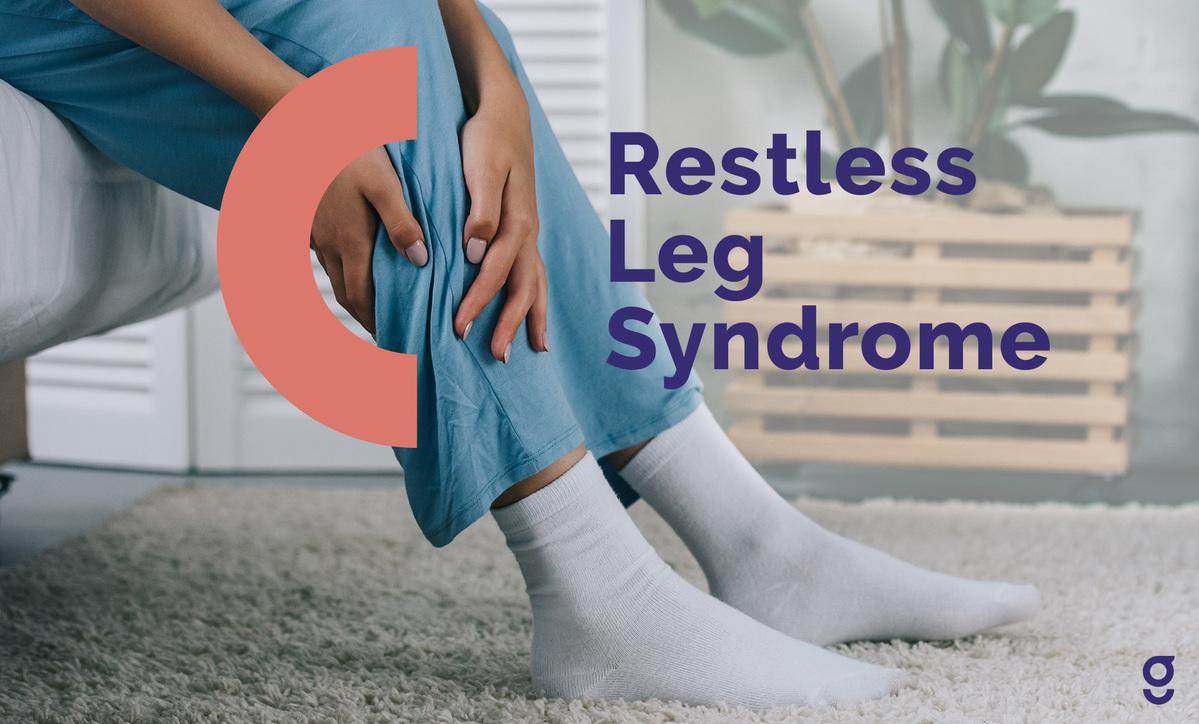
Have you ever been relaxing on the couch or lying in bed, only to feel an irresistible urge to move your legs? It might feel like tingling, crawling, pulling, or an uncomfortable sensation that only goes away when you move. If this sounds familiar, you could be experiencing Restless Legs Syndrome (RLS).
Restless Legs Syndrome is a neurological condition that commonly affects the legs and feet, especially during periods of rest or at night. These uncomfortable sensations can make it difficult to relax, fall asleep, or stay asleep, often leading to restless nights and daytime fatigue.
Recognizing the symptoms, understanding the possible causes, and knowing the available treatment options can help you manage the condition and find lasting relief, so you can enjoy better sleep and improved quality of life.
Understanding Restless Legs Syndrome
Symptoms usually appear or become worse when you’re resting, such as while sitting, relaxing, or lying in bed. Moving your legs often provides temporary relief, but the discomfort typically returns once you become still again.
For many people, RLS is most noticeable in the evening or at night, making it difficult to fall asleep or stay asleep. Although it is a neurological condition, the symptoms are most commonly felt in the feet, calves, and lower legs, where they can interfere with comfort, relaxation, and a good night’s sleep.
Common Symptoms of Restless Legs Syndrome
The symptoms of Restless Legs Syndrome (RLS) can vary from one person to another. Some people experience only mild discomfort, while others find that the symptoms interfere with their sleep and daily life.
Common symptoms include:
- A strong, uncontrollable urge to move your legs
- Tingling, crawling, or “pins and needles” sensations
- Aching, throbbing, or pulling discomfort
- Itching or burning sensations deep inside the legs
- Symptoms that become worse when you’re sitting or lying still
- Temporary relief after walking, stretching, or moving your legs
- Difficulty falling asleep because of the discomfort
- Waking up frequently during the night
While many people experience symptoms in both legs, some may notice them in just one leg. In more severe cases, the discomfort can also spread to the arms, although this is less common.
Possible Causes of Restless Legs Syndrome
The exact cause of Restless Legs Syndrome (RLS) isn’t always clear. In many cases, there’s no single reason why it develops. However, researchers believe that several factors may increase the risk or trigger symptoms.
These may include:
- Changes in brain chemicals, particularly dopamine, which helps control muscle movement
- A family history of Restless Legs Syndrome
- Low iron levels or iron deficiency
- Pregnancy, especially during the later months
- Chronic kidney disease
- Diabetes
- Certain medications that may worsen symptoms
- Nerve damage (peripheral neuropathy)
- For some people, RLS develops without any obvious cause. If your symptoms are persistent or affecting your sleep, it’s a good idea to speak with a healthcare professional to identify any underlying conditions and discuss the most appropriate treatment options.
Who Is More Likely to Develop RLS?
Restless Legs Syndrome (RLS) can affect anyone, but certain people may be more likely to experience it. Your risk may be higher if you:
- Are over the age of 40
- Are pregnant, particularly during pregnancy when symptoms can appear or become more noticeable
- Have diabetes
- Have low iron levels or iron deficiency
- Have kidney disease
- Have a close family member with RLS
Knowing these risk factors can help you recognize symptoms sooner. If you regularly experience an uncomfortable urge to move your legs, especially at night or while resting, talk with a healthcare professional about your symptoms.
Daily Habits That May Help Relieve Symptoms
Try these habits:
- Keep a regular sleep schedule: Go to bed and wake up around the same time each day.
- Move your body regularly: Gentle walking or stretching can help, especially before bedtime.
- Limit caffeine in the evening: Coffee, tea, energy drinks, and other caffeinated beverages may make symptoms worse for some people.
- Avoid tobacco: Smoking can affect overall circulation and may contribute to other health problems.
- Limit alcohol: Alcohol may interfere with sleep and can make nighttime symptoms more noticeable for some people.
- Try relaxation techniques: Deep breathing, meditation, or a warm bath before bed may help your body wind down.
These small changes may help you sleep more comfortably and manage nighttime RLS symptoms. If your symptoms continue regularly or start affecting your daily life, talk with a healthcare professional for proper evaluation.
Stretching Exercises for Leg Comfort
Try these easy exercises:
Calf Stretch
Stand facing a wall and place your hands against it. Step one foot back and gently stretch the calf. Hold the position for about 30 seconds, then switch sides.
Ankle Circles
Sit comfortably and slowly rotate one ankle in a circle several times. Repeat in the opposite direction, then switch to the other ankle.
Hamstring Stretch
Sit with one leg comfortably extended in front of you. Gently lean forward toward your foot until you feel a light stretch behind your thigh. Don’t bounce or force the stretch.
Take a Short Walk
If your legs feel restless before bedtime, try taking a gentle walk around your home for a few minutes. Light movement may provide temporary relief and help your legs feel more related.
Lifestyle Tips for Better Sleep
RLS symptoms can become more noticeable in the evening, especially when you’re trying to relax or fall asleep. Creating a calm and consistent bedtime routine may help you sleep more comfortably.
Try these simple habits:
- Stick to a regular bedtime: Try to go to bed and wake up at about the same time each day.
- Make your bedroom comfortable: Keep the room cool, quiet, and relaxing.
- Put away electronic devices: Give yourself some screen-free time before bed to help your body wind down.
- Cut back on caffeine later in the day: Coffee, tea, energy drinks, and other caffeinated beverages may make symptoms worse for some people.
- Relax before bed: Deep breathing, meditation, or another calming activity can help you settle down before going to sleep.
- A consistent sleep routine won’t necessarily stop RLS symptoms, but it may make nighttime discomfort easier to manage and help you get better-quality sleep.
Common Mistakes to Avoid
When your legs feel restless or uncomfortable, it’s easy to overlook the symptoms or try to manage them on your own. However, a few everyday habits may make the discomfort worse.
Try to avoid these common mistakes:
- Ignoring ongoing symptoms: If RLS keeps disturbing your sleep or daily activities, talk to a healthcare professional.
- Having too much caffeine late in the day: Coffee, tea, energy drinks, and other caffeinated beverages may make symptoms more noticeable for some people.
- Sitting for too long: If you’ve been sitting for a while, get up and move around or gently stretch your legs.
- Skipping regular activity: Staying active with gentle walking or other suitable exercises may help you manage symptoms.
- Taking supplements or medications without advice: Don’t start iron supplements or other treatments on your own. A healthcare professional can determine whether they’re appropriate for you.
- Wearing uncomfortable footwear: Tight shoes can add unnecessary pressure to already uncomfortable feet and may make symptoms feel worse.
- Small changes to your daily routine can make RLS easier to manage. If your symptoms continue or regularly interfere with your sleep, getting a proper evaluation is an important next step.
When to Visit a Podiatrist or Healthcare Provider
Restless Legs Syndrome is a neurological condition, but the symptoms are often felt in the feet and lower legs. If the discomfort is happening regularly or affecting your sleep and daily routine, it’s worth getting it checked rather than simply putting up with it.
Consider talking with a healthcare professional if you experience:
- RLS symptoms several nights a week
- Trouble falling asleep or staying asleep because of leg discomfort
- Ongoing tingling, burning, or unusual sensations
- Foot discomfort that doesn’t improve with rest or simple care
- Symptoms that make it difficult to work, exercise, or enjoy your usual activities
- Changes in sensation, particularly if you have diabetes or another condition that can affect your nerves
- A podiatrist can examine your feet and lower legs to see if another foot or nerve-related problem could be causing your symptoms. If your symptoms suggest RLS or require further evaluation, your podiatrist can also recommend the appropriate healthcare professional for additional testing and treatment.
FAQ's
Not exactly. Restless Legs Syndrome is a neurological condition, although the uncomfortable sensations are often felt in the feet, calves, or lower legs. This can make it feel like a foot problem at first.
It can. Many people find that getting up and walking around, gently stretching, or moving their legs provides temporary relief when symptoms start. The relief may not last, but movement can make the discomfort easier to manage.
Not necessarily. RLS symptoms can occur at different times of the day, but they often become more noticeable in the evening or at night. This can make it difficult to relax or get a good night's sleep.
For some people, it can. Caffeine may make RLS symptoms more noticeable, particularly when consumed later in the day. If you notice that coffee, tea, or energy drinks seem to trigger your symptoms, consider cutting back and see if it helps.
If you're experiencing unusual sensations or discomfort in your feet or lower legs, a podiatrist can examine your feet and help determine whether a foot-related condition may be contributing to your symptoms. If RLS is suspected, they can guide you toward the appropriate healthcare professional for further evaluation.