
Senior Foot Care Tips: Keeping Feet Healthy as You Age
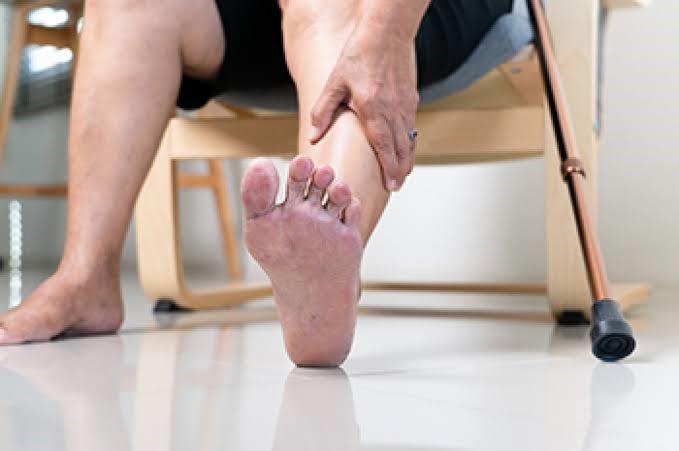
As we get older, our feet naturally change. The skin may become thinner, joints can become stiffer, and circulation may slow down, making the feet more prone to discomfort and injury. These changes can affect comfort, balance, and everyday mobility.
Taking good care of your feet can help you stay active, reduce the risk of falls, and support your independence. A few simple daily foot care habits can make a big difference in keeping your feet healthy as you age.
Why Foot Health Changes With Age
As you get older, it’s normal for your feet to go through changes that can affect comfort and mobility. The muscles, bones, joints, and skin gradually change over time, making regular foot care even more important.
Common age-related changes include:
Thinner, more delicate skin
Reduced natural cushioning on the soles
Stiffer joints
Slower circulation
Thickened toenails
Changes in foot shape
Taking care of your feet each day can help manage these changes, improve comfort, and make it easier to stay active.
Inspect Your Feet Every Day
Checking your feet every day is a simple habit that can help you spot small problems before they become more serious. Early detection makes it easier to address issues and protect your foot health.
Look for:
Cuts or scratches
Redness
Swelling
Blisters
Changes in your toenails
Dry or cracked skin
If it’s difficult to see the bottoms of your feet, use a mirror or ask a family member or caregiver to help you check them.
Wear Supportive Footwear
Wearing the right shoes can improve comfort, provide better stability, and help reduce the risk of slips and falls. Supportive footwear is important both indoors and outdoors, especially as you get older.
When choosing shoes, look for:
Non-slip soles
Good arch support
Cushioned insoles
A wide toe box
Secure fastenings, such as laces or Velcro
Try to avoid loose slippers or worn-out shoes around the house, as they can increase the risk of tripping or losing your balance.
Keep Skin Moisturized
Dry skin is a common part of aging and can lead to rough, cracked heels if it’s not cared for. Applying a moisturizer every day helps keep your skin soft and healthy.
Apply moisturizer to your:
Heels
Soles
Sides of your feet
Avoid putting lotion between your toes, as excess moisture in this area can increase the risk of fungal infections.
Stay Physically Active
Staying active is one of the best ways to keep your feet healthy as you age. Regular movement helps improve circulation, maintain flexibility, strengthen the muscles in your feet, and support better balance.
Some simple activities that can help include:
Walking
Gentle stretching
Foot and ankle strengthening exercises
Even a few minutes of movement each day can help keep your feet more comfortable and make everyday activities easier.
Trim Toenails Carefully
Keeping your toenails properly trimmed can help prevent discomfort and reduce the risk of ingrown toenails. Trim your nails straight across and avoid cutting them too short or rounding the corners.
If your toenails become thick, hard to trim, or painful, it’s best to seek professional foot care rather than trying to force the cut yourself.
Prevent Falls
Healthy feet are important for maintaining good balance and stability, which can help reduce the risk of falls. Making a few simple changes at home can create a safer environment and support confident movement.
You can help reduce your risk of falls by:
Keeping floors free of clutter
Wearing supportive footwear indoors
Using adequate lighting throughout your home
Replacing worn-out shoes
Staying physically active to maintain strength and balance
These small everyday habits can go a long way in helping you stay safe, active, and independent.
Eat for Strong Feet
Eating a balanced diet helps keep your bones, muscles, and joints strong, which is important for maintaining healthy feet and staying active as you age.
Try to include foods that are rich in:
Calcium
Vitamin D
Protein
Magnesium
Omega-3 fatty acids
Good nutrition supports healthy movement, improves strength, and helps you stay mobile and independent.
When to Visit a Podiatrist
If you notice ongoing foot problems, don’t ignore them. Seeking professional care early can help prevent minor issues from becoming more serious and support your mobility and independence.
Schedule an appointment with a podiatrist if you experience:
Persistent foot pain
Thick or discolored toenails
Difficulty walking
Slow-healing wounds
Swelling
Balance problems
Regular foot examinations can help identify problems early, allowing for timely treatment and helping you stay active and comfortable as you age.
FAQs
Checking your feet every day can help you spot cuts, swelling, or changes in your skin early, making it easier to address small problems before they become more serious.
As you age, your feet naturally go through changes. Thinner skin, stiffer joints, and slower circulation can make foot problems more likely.
Yes. Supportive walking shoes can improve comfort, provide better stability, and help reduce the risk of falls.
Yes. If you have persistent foot pain, swelling, slow-healing wounds, or nail problems, it's a good idea to see a podiatrist as soon as possible.