
Foot Odor Treatment: Causes, Prevention & Daily Care Tips
Foot odor is a common issue that can happen to anyone. It may become more noticeable after wearing shoes for long hours, exercising, or spending time in warm, humid conditions.
The good news is that managing foot odor often starts with simple habits. Keeping your feet clean and dry, changing your socks regularly, and choosing breathable footwear can help. If the odor continues despite these steps, it may be linked to excessive sweating or a fungal infection and should be checked by a podiatrist.
Why Do Feet Smell?
Your feet have many sweat glands, so it’s normal for them to sweat throughout the day. Sweat itself usually doesn’t smell, but bacteria on the skin can break it down and produce an unpleasant odor.
Smelly feet, also known as bromodosis, are often linked to a buildup of sweat and bacteria. Fungal infections, such as athlete’s foot, can also contribute to unpleasant foot odor.
Several factors can make foot odor more noticeable, including:
Excessive sweating
Wearing shoes for long periods
Hot and humid weather
Exercise and physical activity
Tight or poorly ventilated footwear
Wearing the same shoes repeatedly without allowing them to dry
Fungal infections
Keeping your feet clean and dry and giving your shoes enough time to air out can help reduce odor.
Common Signs of Excessive Foot Sweating
Foot odor can sometimes be linked to excessive sweating, especially when your feet stay damp throughout the day.
Look out for signs such as:
Frequently damp or sweaty socks
Sweaty feet even in cool weather
Strong odor soon after washing
Moisture building up inside your shoes
Irritated skin between the toes
Repeated fungal infections
If excessive sweating is affecting your daily comfort or activities, a podiatrist can help identify the cause and recommend suitable treatment.
Effective Foot Odor Treatment Methods
1. Wash Your Feet Every Day
Keeping your feet clean is one of the simplest ways to control foot odor. Wash them at least once a day with soap and water, paying extra attention to:
The soles
Between the toes
Around the toenails
After washing, dry your feet thoroughly, especially between the toes. Leaving moisture behind can create an environment where fungi can grow.
2. Change Your Socks Regularly
Fresh, dry socks can help reduce the buildup of sweat and bacteria that cause foot odor.
Choose socks made from breathable or moisture-wicking materials and change them:
At least once a day
After exercising
Whenever they become damp or wet
If your feet sweat heavily, changing your socks more often can help keep them fresh and dry.
3. Give Your Shoes Time to Dry
Wearing the same shoes every day can trap sweat and moisture inside them. When possible, rotate between two or more pairs so each pair has time to dry completely.
A few simple habits can help:
Remove the insoles when possible and let them air out
Keep shoes in a dry, well-ventilated area
Avoid storing damp shoes in closed spaces
Rotate your footwear regularly
Dry shoes are less likely to develop the moisture and odor associated with bacterial and fungal growth.
4. Try Foot Powder or Antiperspirant
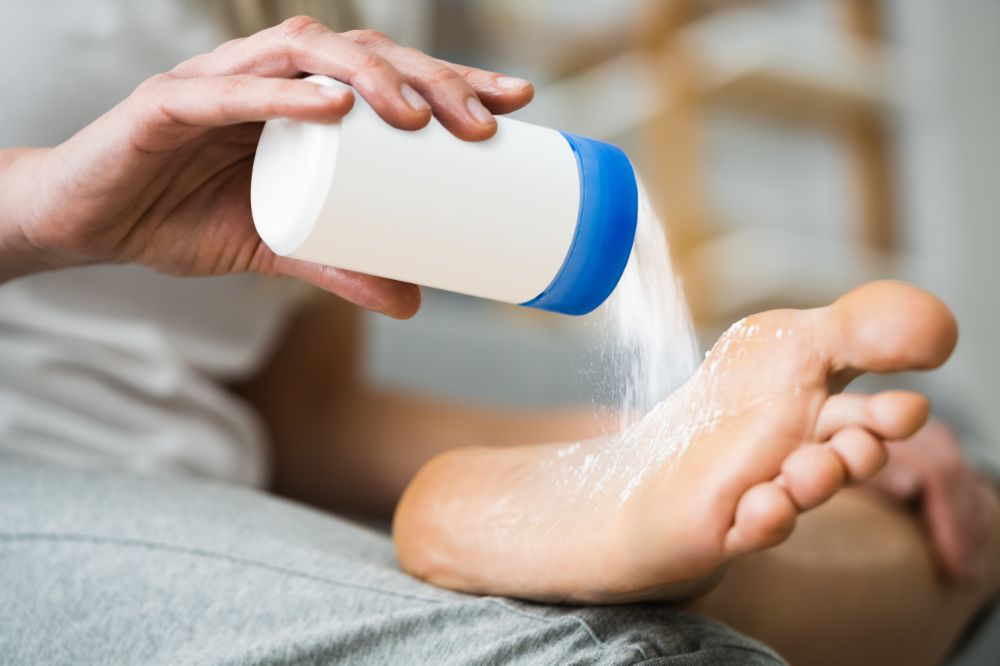
Foot powder can help absorb excess moisture, while antiperspirants may help reduce sweating. These products can be useful if excessive sweating is contributing to foot odor.
If you have sensitive skin or aren’t sure which product to use, speak with a pharmacist or healthcare professional for advice.
5. Choose Breathable Footwear
The shoes you wear can make a big difference in keeping your feet dry and comfortable. Choose footwear that allows air to circulate and reduces moisture buildup.
Good options may include:
Breathable mesh
Leather
Canvas
Moisture-resistant athletic materials
Try to avoid tight shoes that trap heat and sweat around your feet. Giving your feet enough room and airflow can help reduce odor and improve comfort.
Foot Odor Prevention Routine
A few simple habits can help keep your feet clean, dry, and fresh throughout the day.
Morning
Wash and dry your feet thoroughly
Use foot powder or antiperspirant if needed
Put on a fresh pair of socks
Choose clean, breathable footwear
During the Day
Change your socks if they become damp
Give your feet a short break when possible
Avoid wearing wet shoes for long periods
Evening
Wash your feet and remove any sweat or dirt
Dry carefully, especially between your toes
Let your shoes air out before storing them
Check your feet for redness, irritation, or other changes
Following this simple routine regularly can help control moisture, reduce odor, and keep your feet feeling comfortable.
Footwear Habits That Reduce Odor
Your footwear can have a big impact on foot odor. Shoes that trap sweat and moisture can make it easier for bacteria and fungi to grow. A few simple shoe-care habits can help keep odors under control.
Rotate Your Shoes
When possible, avoid wearing the same pair on consecutive days. Rotating your shoes gives each pair time to air out and dry completely.
Keep Shoes Dry
Moisture trapped inside your shoes can create a warm, damp environment where bacteria and fungi can thrive. Let your shoes dry thoroughly before wearing them again.
Clean Your Footwear Regularly
Clean your shoes according to the manufacturer’s care instructions. Regular cleaning can help remove sweat, dirt, and odor-causing buildup.
Replace Worn-Out Shoes
Older shoes may hold onto moisture and unpleasant odors even after cleaning. If your footwear is worn out or no longer stays fresh, replacing it may help improve foot comfort and hygiene.
Can Foot Odor Be Linked to Athlete's Foot?
Yes. Fungal infections such as athlete’s foot can cause foot odor along with symptoms such as:
Itching
Peeling skin
Redness
Cracked skin between the toes
Burning or irritation
If these symptoms appear with persistent foot odor, it’s better to address the underlying infection rather than simply covering the smell with deodorant. Proper treatment may be needed to clear the infection.
Foot Odor and Excessive Sweating
Some people naturally have sweatier feet than others. Hyperhidrosis, a condition that causes excessive sweating, can also contribute to ongoing foot odor.
If your feet remain unusually sweaty even with regular washing and proper foot care, consider speaking with a healthcare professional. They can help identify the cause and recommend suitable treatment, which may include stronger antiperspirants or other options to help control excessive sweating.
Common Foot Odor Mistakes to Avoid
Some everyday habits can make foot odor worse or increase the risk of skin problems. Try to avoid:
Wearing the same socks for several days
Putting on shoes while your feet are still damp
Wearing wet or damp shoes repeatedly
Choosing tight, poorly ventilated footwear
Ignoring itching, peeling, or irritated skin
Using deodorant to cover up signs of an untreated infection
Good foot hygiene and keeping your feet dry are more effective ways to manage odor than simply masking it.
When to See a Podiatrist
If foot odor continues despite good hygiene and regular foot care, it may be a sign of an underlying problem that needs attention.
Consider scheduling a professional evaluation if you notice:
Foot odor that doesn’t improve with proper hygiene
Excessive sweating of the feet
Persistent itching or peeling
Red, cracked, or irritated skin
Painful sores
Odor accompanied by swelling or drainage
Getting the right treatment early can help address the underlying cause and prevent symptoms from getting worse.
Quick Foot Odor Prevention Checklist
A simple daily routine can help keep your feet clean, dry, and free from unpleasant odors.
Before Leaving Home
Wash your feet
Dry them thoroughly, especially between the toes
Put on fresh socks
Choose clean, breathable footwear
During the Day
Change your socks if they become wet
Keep your shoes as dry as possible
Give your feet a chance to breathe when you can
At Night
Wash and dry your feet
Let your shoes air out before storing them
Check your skin and toenails for any changes
Making these habits part of your daily routine can help control moisture, reduce odor, and support overall foot health.
FAQs
Not necessarily. Foot odor can have several causes, including sweat, bacteria, certain types of footwear, hot weather, exercise, and fungal infections.
Yes. Changing damp socks regularly helps keep your feet dry and reduces the buildup of moisture and bacteria.
Yes. Shoes that trap heat and moisture can create an environment that leads to unpleasant foot odor.
Foot powder can help absorb excess moisture and reduce odor, especially if sweaty feet are the main cause.