
Morton's Neuroma Treatment: Symptoms, Causes & Foot Care
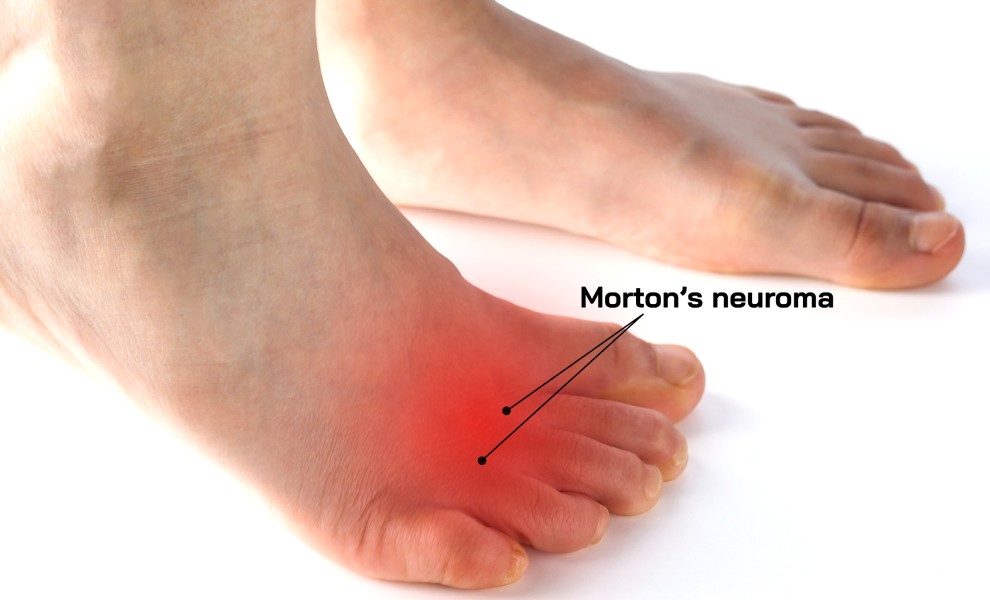
Pain in the ball of your foot can make walking, exercising, or wearing certain shoes uncomfortable. One possible cause is Morton’s neuroma, which happens when a nerve between the toes becomes irritated or thickened.
It is not usually a true tumour, but it can cause burning, tingling, or sharp pain in the forefoot. Early diagnosis can help you find the right Morton’s neuroma treatment and manage the symptoms effectively.
What Is Morton's Neuroma?
Morton’s neuroma usually affects the nerve between the third and fourth toes. Repeated pressure or irritation can cause the tissue around the nerve to become thicker.
Common symptoms include:
Burning or tingling pain
Sharp pain in the forefoot
Numbness around the toes
A feeling like there’s a small stone in your shoe
These symptoms often get worse when walking or wearing tight shoes.
Common Symptoms of Morton's Neuroma
Morton’s neuroma can cause different symptoms in the front of the foot, which may become more noticeable with activity.
Burning Sensation
You may feel a burning or stinging sensation in the ball of your foot.
Tingling or Numbness
Tingling or numbness may spread toward the toes.
Sharp Pain
Pain can become worse when walking, running, or standing for long periods.
Feeling of a Pebble Under the Foot
Some people feel as though there is a small pebble or something inside their shoe.
Symptoms That Improve After Removing Shoes
Reducing pressure on the front of your foot may help ease symptoms temporarily.
Common Causes and Risk Factors
Several factors can put extra pressure on the nerves in the front of the foot.
Narrow-Toe Shoes
Shoes that squeeze your toes together can put more pressure on the affected nerve.
High Heels
High heels shift more weight onto the front of your foot, increasing pressure in the forefoot.
High-Impact Activities
Running, jumping, and similar activities can put repeated stress on the ball of your foot.
Foot Structure
The shape and movement of your feet can sometimes place extra pressure on the forefoot.
Footwear Changes for Morton's Neuroma
Changing your footwear can help reduce pressure and ease forefoot discomfort.
Choose shoes with:
- A wide toe box
- Low heels
- Good cushioning
- Enough room around the forefoot
- Comfortable, supportive design
Try to avoid shoes that squeeze your toes or put too much pressure on the ball of your foot.
Morton's Neuroma Treatment Options
Treatment for Morton’s neuroma depends on how severe your symptoms are and how long they have been present.
1. Footwear Changes
Switching to shoes with more room around the toes can help reduce pressure on the affected area. This is often one of the first steps recommended for forefoot pain.
2. Orthotic Devices
Orthotic inserts can help spread pressure more evenly across the foot. A podiatrist can assess your foot mechanics and recommend suitable orthotics if needed.
Molina Podiatry offers custom orthotic solutions and 3D body scanning as part of its foot-care services.
3. Activity Changes
Cutting back on activities that make your symptoms worse can give the irritated area time to settle.
You may need to temporarily reduce:
Running
Jumping
Long-distance walking
High-impact exercise
Low-impact activities may feel more comfortable while your symptoms are being assessed.
4. Professional Podiatry Assessment
A podiatrist can examine your foot, assess how you walk, and determine whether your symptoms are linked to Morton’s neuroma or another foot condition.
Getting the right diagnosis is important because several conditions can cause similar pain in the forefoot.
Molina Podiatry provides gait analysis and posture assessment to help identify factors that may be contributing to your foot problems.
5. Additional Treatment
If these measures do not provide enough relief, your healthcare professional may recommend other treatment options based on your symptoms and examination.
The right treatment will depend on the severity of your condition and your individual needs.
Daily Foot Care Tips
Small changes to your daily routine can help reduce pressure on the front of your foot.
Choose Comfortable Shoes
Wear shoes that give your toes enough room and avoid squeezing them together.
Take Regular Breaks
If you spend a lot of time standing, take short breaks whenever possible.
Limit High Heels
Choosing lower-heeled shoes can help reduce pressure on the front of your foot.
Pay Attention to Symptoms
Notice which activities or types of footwear make your symptoms worse.
Keep Your Feet Strong
Gentle foot and ankle exercises can help support healthy foot function when suitable.
Activities That May Aggravate Symptoms
Some activities can put extra pressure on the front of your foot, especially when done repeatedly.
These may include:
Long-distance running
Repeated jumping
Standing for long periods
Walking in high heels
Wearing narrow shoes for several hours
You don’t always need to stop being active. Instead, try reducing or modifying activities that regularly make your symptoms worse. If the pain continues, consider seeking professional advice.
Common Mistakes to Avoid
If you’re experiencing forefoot pain, try to avoid these common habits:
- Wearing tight or narrow shoes
- Ignoring ongoing burning or tingling
- Increasing your running distance when pain gets worse
- Assuming the pain is just a minor bruise
- Putting off a professional assessment if symptoms continue
Getting your foot checked early can help identify the cause and find the right treatment.
Prevention Tips
You can help reduce the chance of forefoot irritation coming back by:
- Wearing shoes with plenty of room for your toes
- Avoiding long periods in high heels
- Replacing shoes when they become worn out
- Increasing exercise intensity gradually
- Paying attention to ongoing foot symptoms
- Getting your gait and foot mechanics checked if the problem keeps returning
When to See a Podiatrist
Consider getting a professional assessment if:
Forefoot pain keeps coming back
Burning or tingling makes walking uncomfortable
You notice numbness in your toes
Symptoms continue even after changing your footwear
Pain affects exercise or everyday activities
Discomfort keeps occurring in the same area
Since forefoot pain can have different causes, getting the right diagnosis can help you find the most suitable treatment.
FAQs
Yes, Morton’s neuroma can cause a burning or tingling sensation in the ball of the foot, often felt between the affected toes.
Yes. Narrow or high-heeled shoes can put extra pressure on the front of your foot and make symptoms worse.
Orthotics may help by spreading pressure more evenly across the foot. A podiatrist can check if they’re suitable for you.
Symptoms may improve when pressure on the foot is reduced, but ongoing symptoms should be checked by a healthcare professional.
No. Morton’s neuroma involves irritation and thickening of tissue around a nerve in the forefoot. A professional assessment can help confirm the cause.