
Gait Analysis: Walking Assessment for Better Foot Function
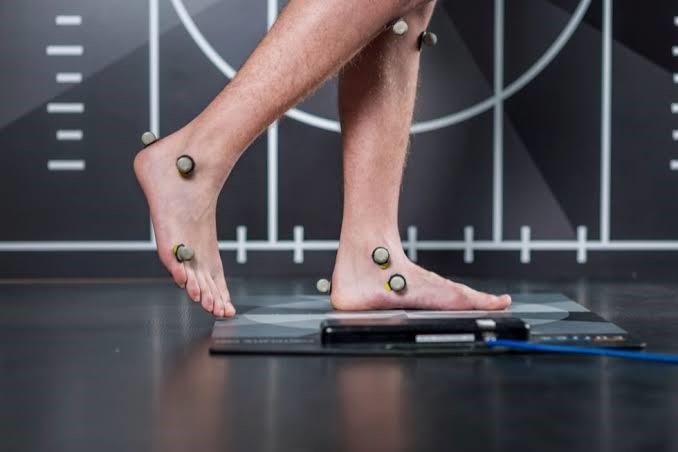
Every step you take involves your feet, ankles, knees, hips, and the rest of your body working together. Changes in the way you walk can put extra pressure on certain areas and affect your comfort, balance, and movement.
Gait analysis is a professional assessment that looks at how you walk or run. It can help identify movement patterns, pressure points, and other factors that may contribute to recurring foot or lower-limb problems.
Understanding your walking pattern can help improve foot function and make everyday movement more comfortable.
What Is Gait Analysis?
Gait analysis looks at how you walk or run and how your feet and legs move during each step.
A podiatrist may assess:
- Foot position
- Stride pattern
- Step length
- Pressure on the feet
- Pronation and supination
- Ankle movement
- Lower-limb alignment
- Balance and stability
This assessment can help show how your feet move and handle pressure while you walk or run.
Why Walking Patterns Matter
Your feet play an important role in how you move. The way they contact the ground can affect how pressure and force travel through your legs.
Changes in your walking pattern may contribute to:
Uneven pressure on the feet
Reduced stability
Repeated strain
Balance problems
Changes in walking efficiency
Not every difference in gait needs treatment. A professional assessment can help determine whether a specific movement pattern is causing problems.
Common Gait Patterns
Overpronation
Overpronation happens when the foot rolls inward too much while you move. This can affect how pressure is spread across the foot and lower limb.
Supination
Supination occurs when the foot rolls outward more than usual during movement. This can place extra pressure on the outside of the foot.
Asymmetrical Walking
Sometimes, one side of the body moves differently from the other. This may be linked to:
Previous injuries
Muscle weakness
Joint stiffness
Differences in foot or leg structure
Habitual movement patterns
Reduced Stride Length
A shorter stride can develop due to discomfort, stiffness, weakness, or balance changes. Finding the reason behind the change is more important than simply trying to lengthen the stride.
Signs That Your Gait May Need Assessment
Consider a professional gait assessment if you notice:
Frequent tripping
Uneven wear on your shoes
Difficulty with balance
Recurring lower-limb discomfort
A noticeable limp
One foot turning noticeably inward or outward
Changes in your walking pattern after an injury
Sometimes gait changes can be subtle, so you may not notice them until someone else points them out.
Who Can Benefit From Gait Analysis?
Gait assessment can be helpful for people with different activity levels and movement needs.
Runners and Athletes
Gait analysis can help identify movement patterns that may contribute to repeated strain or discomfort.
People Recovering From Injury
An injury can sometimes change the way you walk, even after the initial pain has improved.
Older Adults
Assessing balance and walking patterns can provide useful insights when changes in mobility occur.
Children
A professional can assess unusual walking patterns when there are concerns about development or movement.
People With Recurring Foot Problems
If the same foot problem keeps coming back, looking at your movement mechanics may help identify factors contributing to it.
What Happens During a Gait Assessment?
A professional gait assessment usually starts with a few simple steps.
1. Medical and Activity History
The podiatrist may ask about:
Your current symptoms
Any previous injuries
Exercise and activity habits
Your work routine
The type of footwear you usually wear
Relevant medical history
2. Physical Examination
The podiatrist may examine your feet and lower limbs to check for:
Alignment
Joint movement
Muscle strength
Range of motion
Structural differences
3. Walking Assessment
You may be asked to walk or run while the podiatrist observes your movement.
They may look at how your feet and legs move during each step.
4. Pressure or Motion Analysis
Depending on the assessment, technology may be used to look at how pressure is distributed and how your feet move.
Molina Podiatry offers gait analysis and posture assessment as part of its podiatry services.