
Foot Health Tips: 12 Expert Ways to Keep Your Feet Healthy
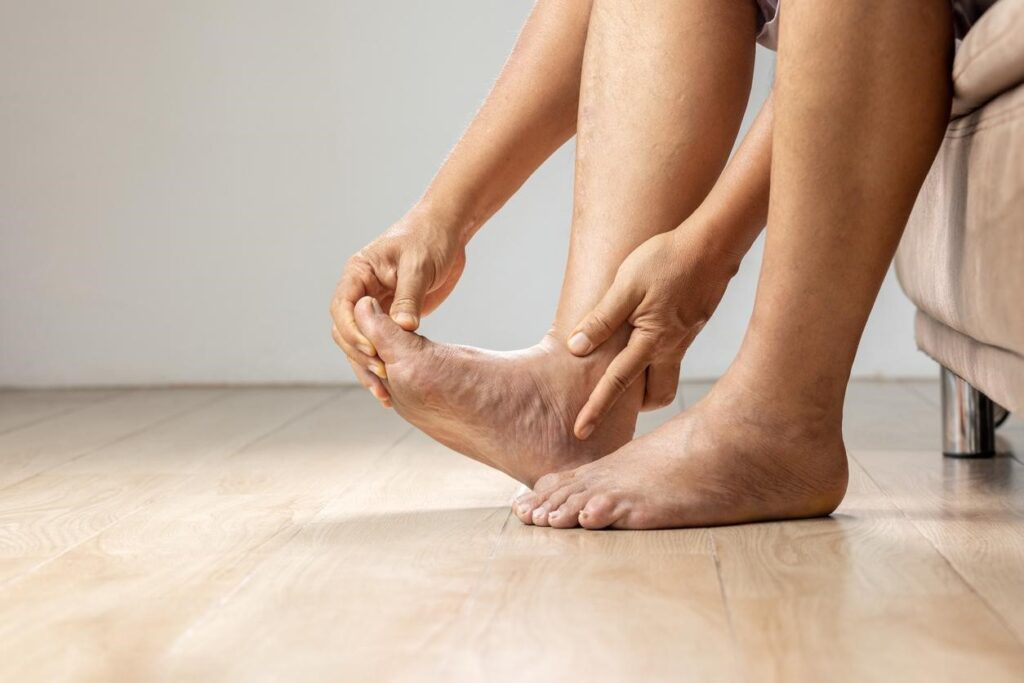
Your feet carry you through thousands of steps every day, but they often don’t get the care they deserve. Taking care of your feet is one of the simplest ways to improve your comfort, mobility, and overall health.
Healthy feet make everyday activities – like walking, exercising, and standing for long periods—more comfortable. By adopting a few simple daily habits, you can help prevent common foot problems and keep your feet healthy for years to come.
Why Foot Health Matters
Taking good care of your feet benefits your entire body. Healthy feet can help you enjoy:
- Better balance and stability
- Improved posture
- Easier, more comfortable movement
- A lower risk of foot injuries
- Greater comfort during everyday activities
When foot problems are left untreated, they can affect the way you walk and place extra strain on your ankles, knees, hips, and lower back. Since these joints work together, keeping your feet healthy helps support your overall mobility and well-being.
12 Expert Tips To Improe Foot Health
1. Wear Shoes That Fit Properly
Wearing the right shoes is one of the best ways to keep your feet healthy and comfortable. Choose footwear that fits well and provides the support your feet need throughout the day.
Look for shoes with:
- Good arch support
- Soft cushioning for comfort
- A wide toe box that allows your toes to move freely
- Stable heel support for better balance and stability
2. Stretch Your Feet Every Day
A few minutes of stretching each day can keep your feet flexible, relieve tight muscles, and improve blood circulation. It only takes about five minutes to help your feet feel stronger, more comfortable, and ready for daily activities.
Regular stretching can help:
Improve flexibility
Reduce muscle tension
Boost circulation
Support overall foot health
3. Keep Your Feet Clean
Good foot hygiene is essential for healthy feet. Wash your feet every day with warm water and mild soap, then dry them thoroughly – especially between your toes. Keeping your feet clean and dry helps reduce the risk of fungal infections and other common foot problems.
4. Moisturize Your Feet Daily
Keeping your feet moisturized helps prevent dry, rough skin and painful cracked heels. Apply a good moisturizer every day, especially after bathing, to keep your skin soft and healthy.
For best results, avoid applying lotion between your toes, as excess moisture in this area can increase the risk of fungal infections.
5. Trim Your Toenails Properly
Trim your toenails straight across rather than rounding the corners. This simple habit helps prevent ingrown toenails and keeps your nails healthy. If you have difficulty trimming your nails or have diabetes, consider having them trimmed by a podiatrist.
6. Maintain a Healthy Weight
Maintaining a healthy weight helps reduce the amount of pressure placed on your feet every day. Excess weight can strain your heels, arches, and ankles, increasing the risk of foot pain and discomfort.
By staying active and maintaining a healthy weight, you can ease stress on your feet, improve mobility, and lower your risk of developing common foot problems.
7. Stay Physically Active
Regular physical activity is one of the best ways to keep your feet healthy. Low-impact exercises like walking, swimming, and cycling help improve blood flow, strengthen the muscles that support your feet, and keep your joints flexible.
Staying active can help:
Improve blood circulation
Increase joint mobility
Strengthen foot and leg muscles
Support long-term foot health
8. Replace Worn-Out Shoes
Even the best shoes lose their cushioning and support over time. Worn-out footwear can increase pressure on your feet and raise the risk of pain or injury.
If you wear athletic shoes regularly, replace them as needed to ensure they continue to provide the comfort and support your feet deserve.
9. Avoid Walking Barefoot
Walking barefoot on hard surfaces can put extra strain on your heels and arches, leading to discomfort over time. Wearing supportive slippers or indoor shoes helps cushion your feet, provides better support, and reduces the risk of foot pain and injury.
10. Check Your Feet Regularly
Take a few minutes each day to examine your feet for any unusual changes. Look for cuts, swelling, blisters, changes in skin color, or problems with your toenails.
Catching these issues early can help prevent minor problems from becoming more serious, especially if you have diabetes or poor circulation.
11. Don’t Ignore Foot Pain
Foot pain is your body’s way of telling you that something isn’t right. Even mild or occasional pain shouldn’t be ignored, as early treatment can prevent small problems from becoming more serious and help you stay active and comfortable.
12. Schedule Regular Foot Checkups
Regular visits to a podiatrist can help detect foot problems early, often before they become painful or more serious. Routine checkups are especially important if you have diabetes, poor circulation, or ongoing foot pain, helping you maintain healthy feet and prevent future complications.
Healthy Daily Foot Care Routine
Morning Foot Care Routine
Start your day with a few simple habits to keep your feet healthy:
- Stretch your feet to improve flexibility and circulation.
Wear supportive, well-fitting shoes for all-day comfort.
Check your feet for any swelling, redness, or other unusual changes.
Afternoon Foot Care Routine
Keep your feet feeling their best throughout the day by following these simple habits:
Stay hydrated to support healthy circulation.
Take short walking breaks to keep your blood flowing.
Avoid standing in one position for long periods whenever possible.
Evening Foot Care Routine
End your day by giving your feet a little extra care:
Wash and dry your feet thoroughly, especially between the toes.
Apply moisturizer to keep your skin soft and prevent dryness.
Elevate your feet for a few minutes if they feel tired or swollen.
Following a simple daily foot care routine can help keep your feet healthy, comfortable, and less prone to future problems.
Common Mistakes That Harm Foot Health
Some everyday habits can increase your risk of foot pain and other problems. Try to avoid:
Wearing shoes that are too small or too tight
Ignoring recurring foot pain
Skipping daily stretching
Wearing wet socks for extended periods
Delaying treatment for cuts, infections, or other foot issues
Avoiding these common mistakes can help keep your feet healthy and prevent more serious problems in the future.
When Should You See a Podiatrist?
Don’t ignore foot problems that don’t improve on their own. Schedule an appointment with a podiatrist if you experience:
- Persistent foot pain
- Swelling that doesn’t go away
- Ongoing heel pain
- Numbness or tingling in your feet
- Nail infections or ingrown toenails
- Difficulty walking or standing comfortably
Early diagnosis and treatment can help relieve symptoms, prevent complications, and get you back to your daily activities sooner.
FAQs
Daily stretching, wearing supportive shoes, practicing good foot hygiene, and staying physically active are simple habits that help keep your feet healthy and reduce the risk of common foot problems.
Stretching your feet every day helps improve flexibility, reduce muscle tension, and support long-term foot health. Even a few minutes of daily stretching can make a difference.
Eating a balanced diet rich in protein, calcium, vitamin D, and antioxidants helps support healthy bones, muscles, nerves, and overall foot health.
Yes. Poor foot alignment can affect the way you walk, placing extra stress on your knees, hips, and lower back, which may lead to pain and discomfort.