
Office Foot Care Tips: Healthy Feet for Desk Jobs
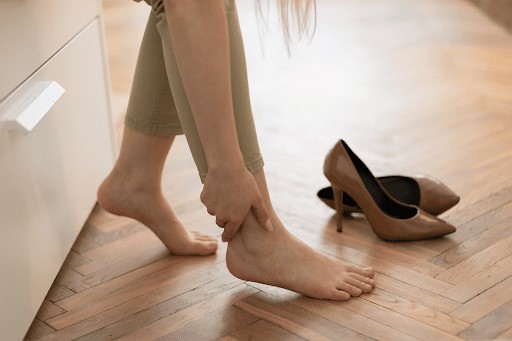
Many people think foot problems only affect those who spend long hours standing, but sitting at a desk all day can also take a toll on your feet. Office workers often experience stiff joints, poor circulation, swollen feet, and muscle tightness after sitting for extended periods.
The good news is that a few simple foot care habits can make a big difference. Taking care of your feet during the workday can help improve circulation, reduce discomfort, and keep your feet feeling healthier and more comfortable.
The Impact of Desk Jobs on Your Feet
Spending long hours sitting at a desk can reduce blood circulation and limit muscle movement in your feet and legs. Over time, this may lead to discomfort, stiffness, and tired feet, especially if you rarely get up and move around during the day.
Some of the most common foot-related problems office workers experience include:
Swollen feet
Tight calf muscles
Reduced ankle mobility
Foot stiffness
Poor circulation
Muscle fatigue
The good news is that a few simple changes to your daily routine can help improve circulation, reduce discomfort, and keep your feet feeling healthier throughout the workday.
Improve Your Workspace for Better Foot Comfort
Your desk setup and sitting posture can have a big impact on your foot comfort throughout the day. A well-adjusted workspace helps reduce unnecessary pressure on your feet, ankles, and legs.
For better comfort while working:
Keep both feet flat on the floor whenever possible
Adjust your chair so your knees are bent at about a 90-degree angle
Avoid crossing your legs for long periods, as it may reduce circulation
Use a footrest if your feet don’t comfortably reach the floor
Maintaining good posture throughout the workday can help improve comfort, support healthy circulation, and reduce strain on your feet and lower legs.
Take a Movement Break Every Hour
Sitting for long periods without moving can leave your feet and legs feeling stiff and tired. Taking short movement breaks throughout the day helps improve circulation and reduces muscle tightness.
Set a reminder to:
Stand up at least once every hour
Take a short walk around the office
Stretch your calf muscles
Rotate your ankles to keep your joints moving
Even two or three minutes of movement each hour can help improve blood flow and keep your feet feeling more comfortable during the workday.
Choose Comfortable, Supportive Shoes
The shoes you wear at work can have a big impact on your foot comfort, even if you spend most of the day sitting. Supportive footwear helps reduce strain on your feet and provides better comfort throughout the workday.
When choosing work shoes, look for:
Cushioned soles for added comfort
Good arch support
Breathable materials to help keep your feet cool
Enough room for your toes to move comfortably
If possible, avoid wearing high heels or shoes with little support for the entire day, as they can increase pressure on your feet and lead to discomfort over time.
Simple Foot Exercises You Can Do at Your Desk
You don’t need special equipment or a gym to keep your feet active during the workday. A few simple exercises at your desk can improve flexibility, reduce stiffness, and promote better circulation.
Toe Raises
Keep your heels on the floor and slowly lift your toes toward the ceiling. Lower them back down and repeat 15 times.
Heel Raises
Keep your toes on the floor and lift your heels as high as you comfortably can. Lower them slowly and repeat 15 times.
Ankle Circles
Lift one foot slightly off the floor and gently rotate your ankle in a clockwise direction, then switch to counterclockwise. Repeat for about one minute on each foot.
Foot Rolling
Roll a tennis ball or massage ball under the sole of your foot for a few minutes. This gentle massage can help ease muscle tension and relieve tired feet.
Stay Hydrated Throughout the Day
Staying hydrated is important for your overall health, including the health of your feet. Drinking enough water helps support healthy circulation and normal muscle function, which may reduce muscle cramps and keep your feet feeling more comfortable throughout the day.
Keep a water bottle at your desk and take small sips regularly instead of waiting until you feel thirsty. Making hydration a daily habit can help you stay energized and support healthy foot function during long hours at work.
Choose the Right Socks for All-Day Comfort
The right socks can make a noticeable difference in your foot comfort throughout the workday. They help manage moisture, reduce friction, and keep your feet feeling fresh, especially if you’re wearing shoes for long hours.
When choosing socks, look for:
Breathable fabrics that allow air to circulate
Moisture-wicking materials to help keep your feet dry
Seamless designs if you have sensitive feet or are prone to irritation
If your socks become damp from sweat or wet conditions, change them as soon as possible. Keeping your feet clean and dry can help reduce discomfort and lower the risk of skin irritation.
Common Workplace Habits That Can Affect Your Feet
Some everyday workplace habits can place unnecessary stress on your feet and lead to discomfort over time. Being aware of these habits can help you maintain better foot health throughout the workday.
Try to avoid:
Sitting for hours without taking movement breaks
Crossing your legs for long periods
Wearing tight or unsupportive shoes all day
Ignoring swelling, pain, or other foot discomfort
Resting your feet on chair legs instead of placing them flat on the floor
Making small changes to your daily routine can improve comfort, support healthy circulation, and benefit your overall well-being.
Build a Daily Foot Care Routine
A simple daily routine can help keep your feet comfortable and reduce everyday strain from long hours at work. Small, consistent habits can make a noticeable difference over time.
Before Work
Wear comfortable, supportive shoes.
Stretch your calf muscles before starting your day.
During Work
Stand up and move around at least once every hour.
Perform ankle circles to keep your joints flexible.
Stay hydrated by drinking water regularly.
After Work
Elevate your feet if you notice swelling.
Gently massage tired feet and muscles to relieve tension.
Stretch your feet and calves before bedtime.
Following these simple habits each day can help reduce discomfort, improve flexibility, and keep your feet feeling healthier throughout your workweek.
When to See a Podiatrist
While occasional foot discomfort after a long workday is common, persistent symptoms should not be ignored. A podiatrist can identify the underlying cause and recommend the most appropriate treatment to help prevent the problem from getting worse.
Consider scheduling an appointment if you experience:
Persistent swelling in your feet or ankles
Recurring numbness or tingling
Ongoing foot pain that doesn’t improve
Difficulty walking or standing comfortably
Symptoms that continue despite making healthy lifestyle changes
Regular movement, wearing supportive footwear, and addressing foot discomfort early can help maintain healthy feet and reduce the risk of more serious problems in the future.
FAQs
Yes. Sitting for long periods can reduce circulation and cause stiffness, swelling, or foot discomfort. Taking regular movement breaks can help.
Yes. Standing and walking for a few minutes every hour can help improve circulation and reduce stiffness.
Yes. Gentle foot and ankle exercises can help reduce stiffness and keep your feet flexible.
Yes. Supportive footwear can help reduce foot strain, even if you spend most of your workday sitting.