
How Diabetes Affects Your Feet: Warning Signs & Foot Care Tips
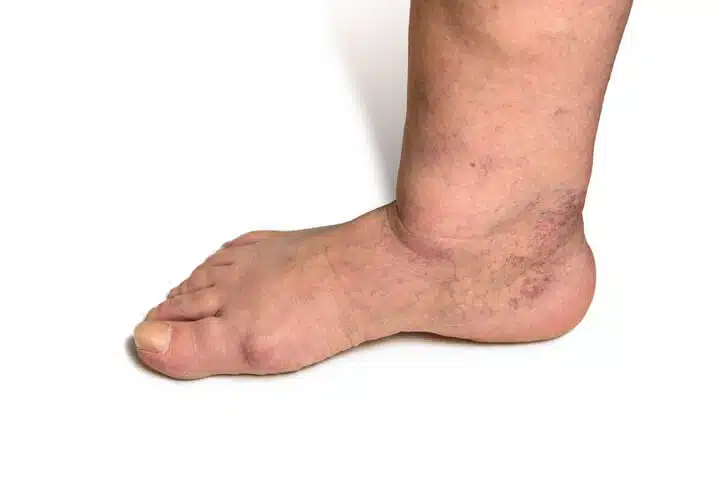
Understanding how diabetes affects your feet is important for preventing serious complications such as infections, nerve damage, and poor circulation. High blood sugar levels can reduce blood flow and damage the nerves in your feet, which may make it harder to notice cuts, wounds, or injuries before they become severe.
With proper diabetic foot care, regular checkups, and early treatment, many foot-related problems can be prevented. Taking care of your feet daily can help protect your overall health and reduce the risk of long-term complications.
Why Are People With Diabetes at Higher Risk for Foot Problems?
Diabetes can damage the nerves and blood vessels in your feet, which may reduce sensation and affect blood circulation. Because of this, many people may not notice small cuts, blisters, or pressure points until they become more serious.
Common diabetic foot problems include:
Numbness or tingling in the feet
Slow-healing cuts or wounds
Foot ulcers
Burning or sharp sensations
Skin infections and irritation
Taking care of your feet early and monitoring any changes can help prevent serious complications and protect your overall foot health.
How Diabetes Affects Your Feet
1. Neuropathy (Nerve Damage)
Diabetes can damage the nerves in your feet, reducing sensation and making it difficult to feel pain, cuts, or injuries. Because of this, minor foot problems may go unnoticed and become more serious over time.
Common symptoms include:
Tingling sensations
Burning pain in the feet
Loss of feeling or numbness
2. Poor Blood Circulation
Diabetes can also reduce blood flow to the feet, which slows down the healing process and increases the risk of infections and complications.
3. Increased Risk of Foot Ulcers
Even small cuts, blisters, or pressure sores can develop into serious foot ulcers if they are not treated properly and early.
Proper diabetic foot care is essential for preventing ulcers and protecting long-term foot health. Read our diabetic foot care guide for more information.
4. Skin and Nail Problems
People with diabetes are more likely to experience dry skin, cracked heels, fungal infections, and other nail-related issues. Without proper care, these conditions can worsen and lead to complications.
Fungal nail infections should not be ignored. Check out our toenail fungus treatment blog to learn about symptoms, prevention, and treatment options.
Warning Signs You Should Never Ignore
You should seek medical attention if you notice any of the following symptoms in your feet:
Swelling in the feet or ankles
Open wounds or sores that are not healing
Changes in skin color or discoloration
Persistent pain, tingling, or numbness
Signs of infection such as redness, warmth, or drainage
Ignoring these symptoms can lead to serious complications, so early treatment and proper foot care are very important for people with diabetes.
Best Foot Care Tips For People With Diabetes
1. Check Your Feet Daily
Examine your feet every day for cuts, blisters, redness, swelling, or any unusual changes. Early detection can help prevent minor issues from becoming serious complications.
2. Keep Your Feet Clean and Dry
Wash your feet daily with lukewarm water and dry them carefully, especially between the toes, to help prevent infections and skin problems.
3. Wear Supportive Footwear
Choose comfortable, well-fitting shoes that provide proper support and reduce pressure on your feet. This can help prevent injuries, sores, and discomfort.
4. Moisturize Dry Skin
Keeping your skin moisturized can help prevent dryness and cracking. However, avoid applying lotion between the toes, as excess moisture in that area may increase the risk of fungal infections.
5. Trim Nails Carefully
Trim your toenails straight across and avoid cutting them too short. Proper nail trimming can help prevent ingrown toenails, irritation, and infections, especially for people with diabetes.
Daily Habits That Help Protect Your Feet
Keep your blood sugar levels under control to reduce the risk of nerve damage and poor circulation
Avoid walking barefoot to help protect your feet from cuts, injuries, and infections
Replace worn-out shoes regularly to maintain proper support and comfort
Stretch and move regularly to improve blood circulation in your feet and legs
Schedule regular foot checkups to detect and treat problems early
Maintaining healthy daily habits is one of the best ways to prevent diabetic foot complications and protect your long-term foot health.
Signs You Should See a Podiatrist Immediately
Foot wounds or sores that do not heal properly
Severe swelling, redness, or inflammation
Burning sensations, tingling, or numbness in the feet
Changes in skin color or temperature
Persistent foot pain or discomfort
Seeking early medical treatment is important, as timely care can help prevent serious diabetic foot complications and protect your overall foot health.
When Should You See a Podiatrist?
You should seek professional foot care if:
You notice any wounds, cuts, or signs of infection on your feet
Walking becomes painful or uncomfortable
Your symptoms continue to worsen over time
However, regular foot checkups are important even if you do not have any symptoms. Routine care can help detect problems early and prevent serious diabetic foot complications.
FAQs
Diabetes may affect blood flow and cause nerve damage, which can lead to foot problems.
Proper foot care can help prevent ulcers, infections and serious complications.
Yes, nerve damage caused by diabetes can lead to numbness and tingling.
Conclusion
Understanding how diabetes affects your feet is essential for maintaining your long-term health and preventing serious complications. Simple habits such as checking your feet daily, wearing proper footwear, and seeking early treatment when problems arise can make a big difference in protecting your foot health.
Taking preventive steps today can help reduce the risk of infections, pain, and long-term complications, allowing you to keep your feet healthier and more comfortable over time.
Call Us
If you have diabetes and are experiencing foot pain, numbness, skin changes, or other foot-related concerns, don’t ignore the symptoms. Schedule an appointment with our podiatry experts today for personalized diabetic foot care and early treatment to help protect your long-term foot health.