
Heel Pain vs Plantar Fasciitis: Key Differences & Treatment
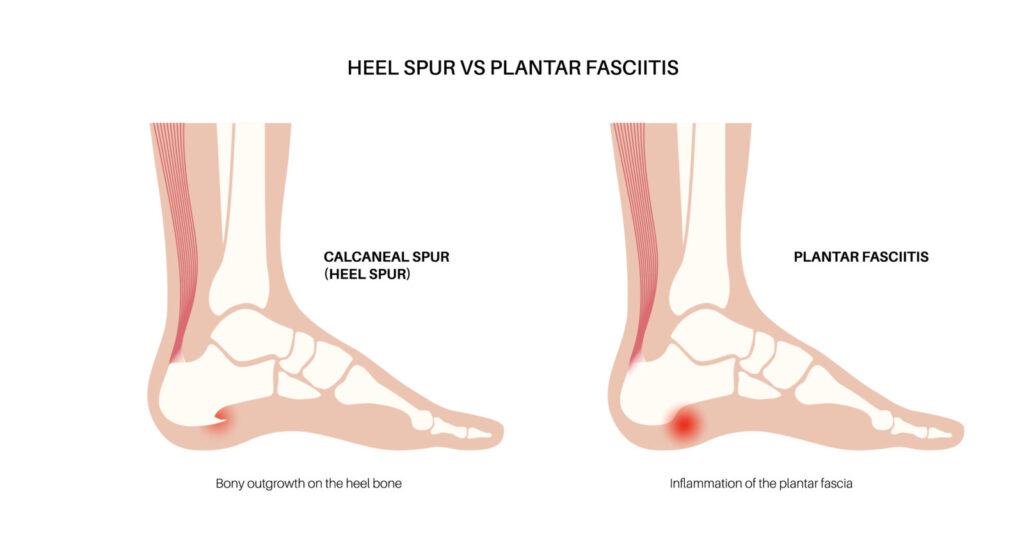
Most people think that heel pain and plantar fasciitis is the exact same thing. However, it is not necessarily that way.
Knowing the difference between heel pain vs plantar fasciitis is an essential step not only to get the right treatment but also to avoid long-term foot issues.
Besides the fact that plantar fasciitis is the main reason for heel pain, there are still a number of other ailments that may result in heel pain.
Heel Pain vs Plantar Fasciitis: What’s the Difference?
Heel pain is a rather general symptom, whereas plantar fasciitis is a specific cause for heel pain
Heel Pain:
Some of the factors that cause heel pain are:
- Heel spurs
- Achilles tendonitis
- Stress fractures
- Arthritis
- Plantar fasciitis
Plantar Fasciitis:
The plantar fascia becomes inflamed and the condition plantar fasciitis occurs when the ligaments of the foot are overstrained or subjected to excessive pressure.
So it is very important to find out the proper cause for correct treatment.
Common Causes
Causes of Heel Pain:
- Standing for long periods
- Improper footwear
- Excess body weight
- Injuries or strain
Causes of Plantar Fasciitis
Inflexible calf muscles
- Flat feet or protruding arches
- Repeated strain on the foot
- Insufficient arch support
For instance:
Flat feet may cause more strain to the plantar fascia. If interested, check our flat feet therapy guide for more information.
Symptoms you should not Ignore
Heel Pain Symptoms
- General pain in the heel
- Swelling or tenderness
- Pain while standing or walking
Plantar Fasciitis Symptoms
- Sharp pain on first morning
- Stiffness after rest (prolonged)
- Aching on the inferior surface of the foot
Example:
Persistent heel pain may also indicate plantar fascia inflammation. Check our plantar fasciitis treatment blog.
Best Treatment Options
1. Rest and Ice Therapy
It aids in reducing inflammation and pain.
2. Supportive Footwear
Well-cushioned shoes help lower the heel pressure.
3. Orthotic Inserts
Enhance foot alignment and give better arch support.
4. Stretching Exercises
The flexibility of the calf muscles and the plantar fascia is enhanced by stretching them.
5. Physical Therapy
Builds a stronger foot, significantly enhancing its mobility.
Daily Habits That Worsen Heel Pain
Try to not make these mistakes:
- Not wearing shoes having good arch support
- Walking barefoot on hard surfaces
- Ignoring pain that is only barely noticeable at first
- Standing for a very long time without breaks.
How To Prevent Heel Pain & Plantar Fasciitis
Prevention tips:
- Wear supportive footwear
- Stretch regularly
- Maintain a healthy weight
- Avoid overuse injuries
Therefore, proper daily habits can significantly reduce foot pain.
When Should You See a Podiatrist?
You should see a doctor if:
- The pain continues day after day
- It becomes hard for you to walk
- Your pain is not relieved by home remedies
FAQ
Plantar fasciitis is just one reason heel pain can occur.
Rest, icing the area, and wearing good supportive shoes will help in getting quick relief.
Mild cases may heal on their own but proper treatment is generally advised.
Conclusion
If we understand the difference between heel pain and plantar fasciitis, we not only find the right remedy but avoid the issues. Even if the symptoms of these mainly the same, it is essential to figure out the specific reason in order to get the lasting relief.
So, timely treatment and suitable foot assistance will keep the feet in good condition and without pain.
Call Us Today
Struggling with heel pain or plantar fasciitis? Book a consultation with our team of experts in foot care to get personalized attention and treatment.