
Heel Pain Treatment: Causes, Symptoms & Best Relief Options
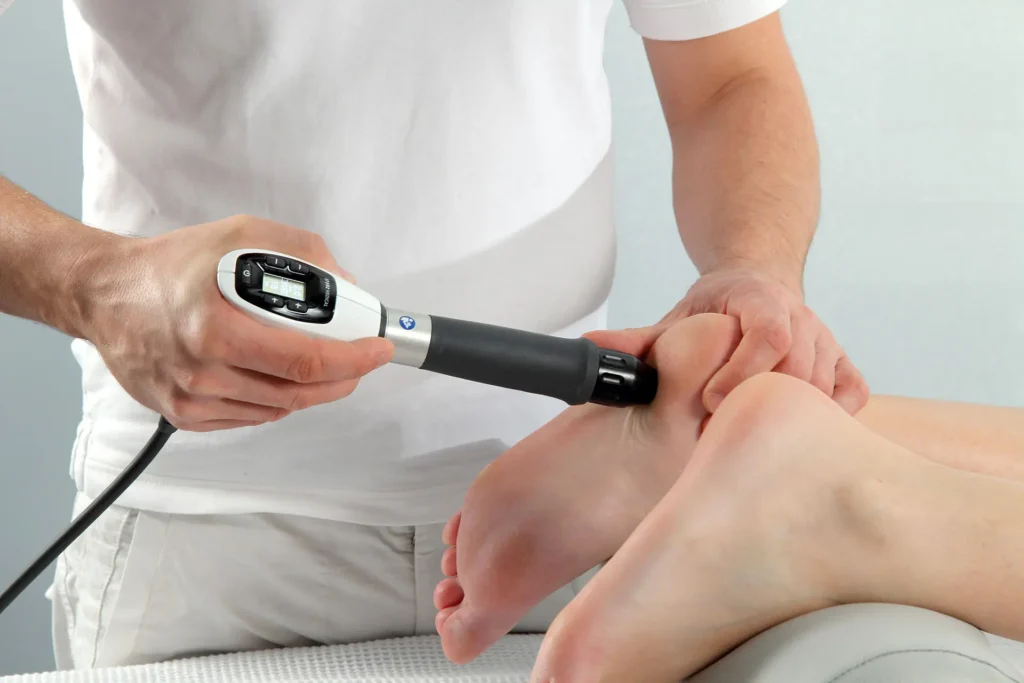
Heel Pain is an extremely common foot issue for people of any age. If heel pain goes untreated for any extended period of time it can greatly affect your ability to perform basic day to day life (walk, stand, exercise etc.) so it is imperative that you understand what causes heel pain and what are the treatment options that will provide you with long-term relief from heel pain.
What Causes Heel Pain?
Heel pain is caused for several reasons; the most common cause of heel pain is plantar fasciitis, caused by inflammation of the tissue that connects your heel to your toes (the plantar fascia).
Common causes of heel pain:
- Plantar fasciitis
- Achilles tendonitis
- Heel spursWearing the wrong type of shoes
5. Being overweight and standing too long
Other factors contributing to heel pain are repetitive stress placed on the foot will aggravate this situation over time.
Symptoms That Require Heel Pain Treatment
By identifying your signs early you can begin by treating heel pain immediately, which stops the condition from worsening.
Symptoms:
- Sharp heel pain (especially first thing in the morning)
- Pain after sitting for long periods
- Discomfort when weightbearing
- Swelling occurs around heel
However, if your symptoms continue you should see a Podiatrist for further evaluation.
Best Heel Pain Treatment Options

1. Rest and Ice Therapy
Applying ice on your foot and letting it rest can help with pain and swelling. This is usually the first thing you do to treat heel pain.
2. Stretching Exercises
Stretching the calf muscles and plantar fascia can make you more flexible and put less stress on your heel.
3. Supportive Footwear
To treat heel pain effectively, you need to wear shoes that support your arches. Don’t wear shoes that are flat or don’t support your feet.
4. Custom Orthotics
Orthotic inserts give your feet more support and help spread out the pressure evenly.
5. Physical Therapy
A podiatrist may suggest therapy to help you move better and make your foot muscles stronger.
6. Advanced Medical Treatments
In severe cases, treatments like injections or minor procedures may be needed.
The American Podiatric Medical Association points out that getting treatment early can make a noticeable difference in how well someone recovers.
How to Prevent Heel Pain
It is just as important to treat foot pain as it is to prevent it.
Prevention of foot pain:
- Wear supportive footwear when possible.
- Keep your weight within a healthy range.
- Avoid standing for long periods of time (more than 30 minutes) if you can.
- Stretch your feet every morning.
If you develop these good habits, you will reduce your chances of developing recurring foot issues.
When Should You See a Podiatrist?
You may want to talk to someone who specializes in treating heel pain if:
Pain persists after more than 2-3 days
Home therapies/prescription medications are ineffective
Walking causes difficulty
Also, if you don’t treat heel pain, it may become a chronic problem.
FAQs
Mild cases may improve, but most require proper heel pain treatment.
With proper treatment, heel pain can improve within a few weeks.
Conclusion
If heel pain continues to be untreated, your daily routine will be disrupted. With proper treatment of heel pain, you can will be able to heal adequately, and you will be able to prevent additional heel pain issues in the future.
Early care as well as proper support of your feet, are essential for keeping your feet healthy.
If you have an ingrown toenail that is painful or infected, call our podiatry experts and make an appointment for safe and effective treatment.