
Bunion Treatment: Causes, Symptoms & Best Relief Options
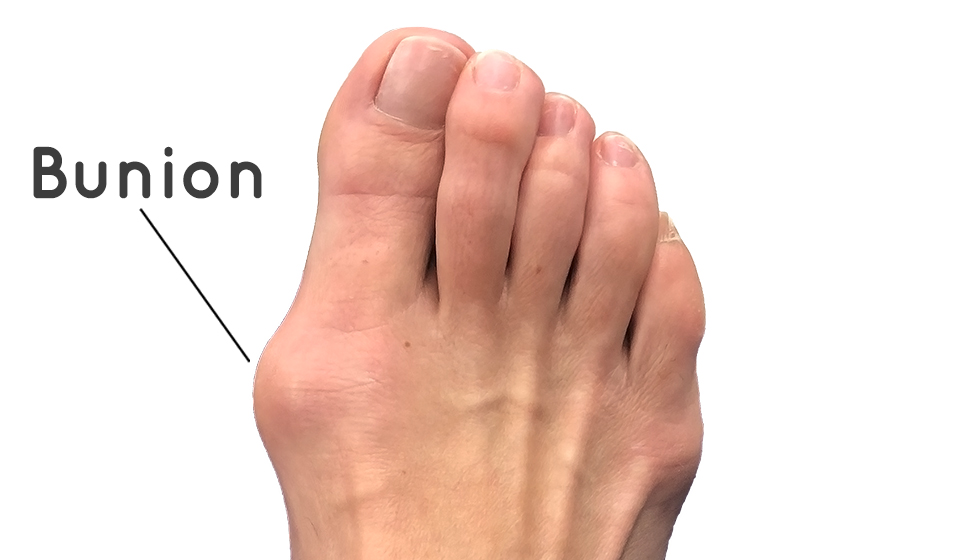
Bunions are painful and tender spots at the joint where the big toe meets the foot; therefore, if you get these symptoms, you can try bunion treatment. Basically, a bunion is a deformity that forces the big toe to point to the other toes due to the swollen joint at the base of the toe. When you ignore it, you are actually making the problem worse.
Fortunately, early intervention of bunions can alleviate pain and stop the progression of the deformity.
What Is a Bunion?
A bunion is a little hard bump that grows on top of the bone of your big toe near your second toe in some cases the big toe lays over the joint and pushes the other toes.
Common Causes of Bunions
Knowing the reasons is essential for selecting the appropriate bunion treatment.
Some of the most common culprits are:
- Wearing shoes that are too tight or narrow
- Genetics (family background)
- Abnormalities in the foot’s structure
- Arthritis
Besides this, continual pressure on the feet may aggravate the problem.
Symptoms That Need Bunion Treatment
Typical signs might be:
- A noticeable bump on the side of your foot
- Pain or soreness
- Swelling and skin redness
- Inability to put on shoes comfortably
So, it is wise to diagnose a condition as early as possible.
Best Bunion Treatment Options
1. Wear Proper Footwear
Shoes that have a wide toe box decrease pressure and can assist with control of bunion pain.
2. Use Padding or Taping
Padding can help protect the bunion and reduce friction from shoes.
3. Orthotic Devices
Custom orthotics improve foot alignment and reduce strain.
4. Pain Relief Medications
Over-the-counter medicines may help to reduce pain and inflammation.
5. Ice Therapy
Apply ice to reduce swelling and relieve pain.
6. Surgical Treatment (Severe Cases)
In advanced cases surgery may be necessary to correct the deformity.
How to Prevent Bunions
Prevention tips:
- Buy comfortable, well-fitting shoes
- Skip high heels and tight footwear
- Keep correct foot alignment
- Check for the earliest signs
Also, periodic foot maintenance is a wonderful way of preventing foot problems from getting worse.
When Should You See a Podiatrist?
You should seek professional bunion treatment if:
- Pain becomes severe.
- Walking becomes difficult.
- The bunion continues to grow.
However, getting care on time can prevent complications.
FAQs
Yes, treating bunions early can help manage symptoms without surgery.
Proper footwear and orthotics are the best non-surgical choices.
Conclusion
Bunion treatment is essential to keep your feet healthy and relieve pain. They are a slow-growing problem, but they can be prevented from getting worse with early treatment.
So the right care today will spare you future problems.