
Achilles Tendon Pain: Symptoms, Causes, Treatment & Prevention
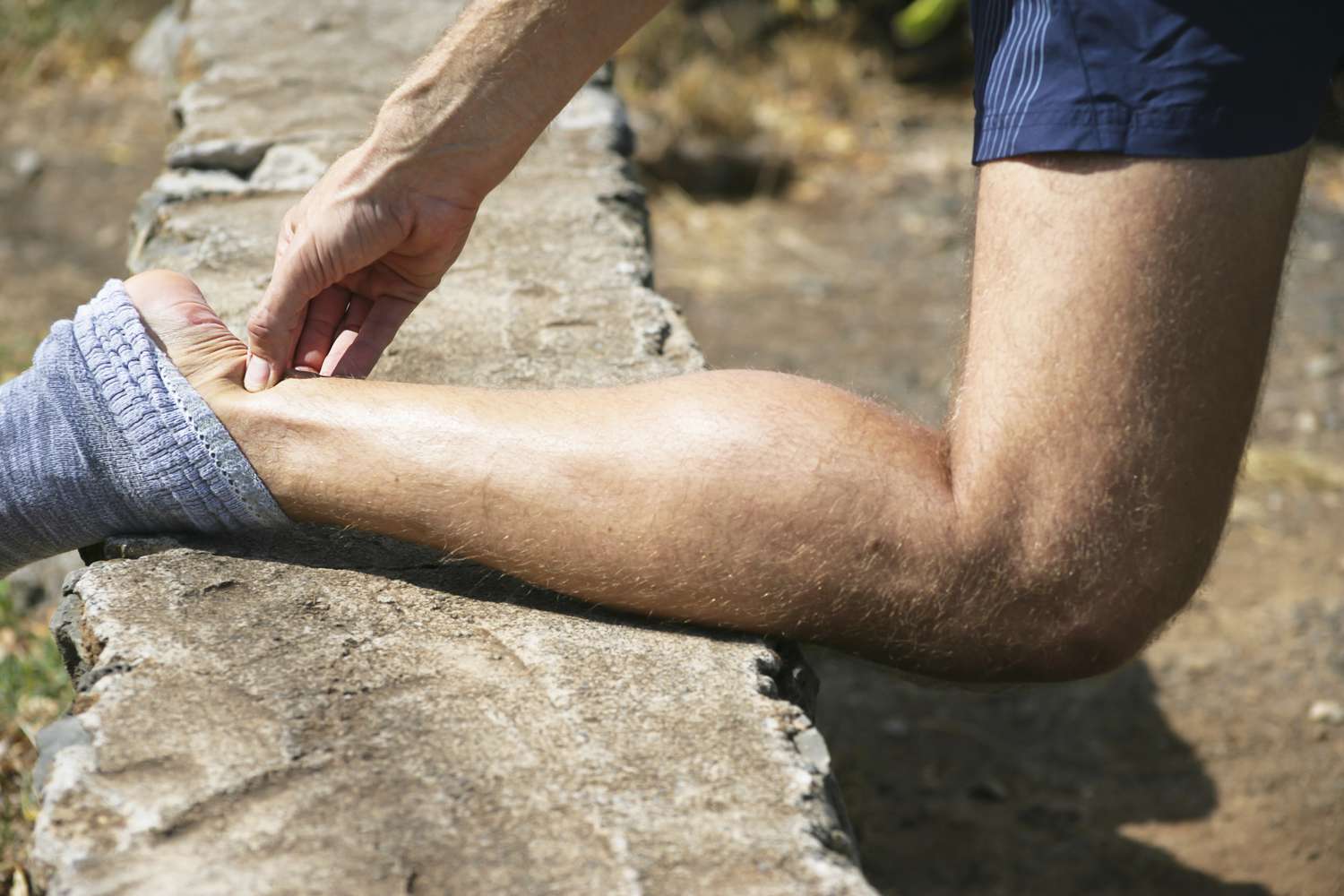
Achilles tendon pain treatment can help relieve discomfort around the back of the ankle and support a safe return to everyday activities. The Achilles tendon connects the calf muscles to the heel bone and plays an important role in walking, running, jumping, and climbing stairs.
Pain in this area can develop gradually from repeated strain or appear suddenly after an injury. Some people notice stiffness when they first get out of bed, while others feel pain during exercise or after being active.
Ignoring ongoing Achilles pain may make everyday movement more difficult. Understanding the symptoms and taking appropriate care early can help protect the tendon and prevent the problem from becoming more troublesome.
What Is the Achilles Tendon?
The Achilles tendon is a strong band of tissue at the back of your lower leg. It connects the calf muscles to the heel bone and helps your foot push off the ground when you walk or run.
Because the tendon is involved in so many everyday movements, it can experience considerable stress during activities such as running, jumping, sports, or prolonged walking.
When the tendon becomes irritated or overloaded, pain and stiffness may develop around the back of the ankle or above the heel.
Common Symptoms of Achilles Tendon Pain
Achilles tendon problems don’t always feel the same for everyone. Symptoms may develop slowly or become noticeable after a particular activity.
Common signs include:
- Pain at the back of the ankle or heel
- Stiffness around the Achilles tendon
- Tenderness when touching the tendon
- Pain that gets worse during physical activity
- Discomfort when walking or climbing stairs
- Swelling or thickening around the tendon
- Stiffness after resting or first thing in the morning
What Causes Achilles Tendon Pain?
Achilles tendon pain can have several causes. In many cases, it develops when the tendon is exposed to more stress than it can comfortably handle.
Sudden Increase in Activity
Increasing your running distance, walking routine, or exercise intensity too quickly can place extra strain on the Achilles tendon.
For example, suddenly starting a new running programme without giving your body time to adjust may increase your risk of tendon problems.
Repetitive Strain
Activities involving repeated running, jumping, or pushing off with your feet can place continuous stress on the Achilles tendon.
Over time, repeated strain may cause irritation and discomfort.
Tight Calf Muscles
Tight calf muscles can increase the amount of tension placed on the Achilles tendon during movement.
Regular stretching and appropriate strengthening may help improve flexibility and support normal movement.
Unsuitable Footwear
Shoes that don’t provide appropriate support or fit comfortably may affect the way pressure is distributed through your feet and legs.
Wearing worn-out or unsuitable footwear during exercise may contribute to discomfort in some people.
Foot and Lower-Limb Mechanics
The way your feet and legs move can affect how forces travel through the lower limb.
If you have an ongoing problem with your walking or running pattern, a podiatrist can assess your movement and determine whether biomechanics may be contributing to your symptoms.
Who Is More Likely to Develop Achilles Tendon Problems?
Achilles tendon problems can affect people of different ages and activity levels.
You may have a greater risk if you:
- Regularly participate in running or jumping sports
- Suddenly increase your exercise routine
- Spend long periods walking or standing
- Have tight calf muscles
- Wear unsuitable footwear
- Have previously experienced Achilles tendon problems
- Have changes in foot or lower-limb mechanics
- Being active doesn’t mean you should expect Achilles pain. Gradually increasing activity and paying attention to early symptoms can help reduce unnecessary strain.
Achilles Tendon Pain Treatment
Treatment depends on the cause and severity of your symptoms.
Reduce Activities That Make the Pain Worse
If a particular activity increases your pain, temporarily reducing or modifying it can give the tendon time to settle.
This doesn’t necessarily mean stopping all movement. A healthcare professional can help you find suitable activities while you recover.
Supportive Footwear
Comfortable footwear can help reduce unnecessary stress on your feet and lower legs.
Choose shoes that fit properly and provide suitable support for the activity you’re doing.
Stretching and Strengthening
Once appropriate for your condition, a structured programme of stretching and strengthening exercises may help improve calf and tendon function.
Don’t push through sharp or worsening pain. Exercises should be introduced gradually and, where necessary, under professional guidance.
Podiatry Assessment
If your Achilles pain continues despite changes to activity and footwear, a podiatrist can assess your feet, ankles, and lower-limb movement.
They can look for contributing factors and recommend an appropriate treatment plan or refer you for further assessment when needed.
Home Care for Achilles Tendon Pain
If your symptoms are mild, some simple changes may make everyday movement more comfortable.
Try to:
- Reduce activities that clearly aggravate your pain.
- Wear comfortable, supportive shoes.
- Avoid suddenly increasing exercise intensity.
- Give your body enough recovery time.
- Follow any exercises recommended by your healthcare professional.
- Pay attention to changes in pain or swelling.
Prevention Tips
You may not be able to prevent every Achilles tendon problem, but a few habits can help reduce unnecessary strain.
Increase Exercise Gradually
If you’re starting a new fitness routine, build up your distance and intensity slowly.
Avoid making several major changes to your activity level at the same time.
Warm Up Before Exercise
A gentle warm-up can prepare your muscles and joints for activity.
Start with easier movements before progressing to more demanding exercise.
Keep Your Calf Muscles Flexible
Regular, appropriate stretching can help maintain flexibility around the calf and ankle.
If you’re unsure which stretches are suitable for you, ask a healthcare professional for guidance.
Wear Appropriate Footwear
Choose shoes that suit your activity and fit comfortably.
Replace footwear when it becomes worn or no longer provides the support you need.
Give Your Body Time to Recover
Rest and recovery are important, particularly if you exercise regularly.
Allowing your body enough time between demanding activities can help reduce excessive strain.
Common Mistakes to Avoid
When dealing with Achilles tendon pain, some habits can make recovery more difficult.
Try to avoid:
- Suddenly increasing your exercise routine
- Continuing activities that repeatedly cause pain
- Ignoring persistent stiffness
- Returning to intense exercise too quickly
- Wearing uncomfortable or worn-out footwear
- Stretching aggressively when the area is painful
- Assuming all heel pain comes from the Achilles tendon
When Should You See a Podiatrist?
Mild discomfort may improve with appropriate rest and activity changes, but persistent or severe symptoms should be assessed.
Consider seeing a podiatrist if you experience:
- Achilles pain that continues or keeps returning
- Increasing swelling around the tendon
- Difficulty walking normally
- Pain that interferes with everyday activities
- Persistent stiffness around the ankle
- Pain that gets worse despite reducing activity
- Repeated Achilles problems during exercise
- Sudden severe pain or a popping sensation around the Achilles tendon, particularly if you cannot push off or walk normally, needs prompt medical assessment.
- A podiatrist can examine your foot and lower limb, assess your movement, and help determine the most appropriate next step.
FAQ,s
Recovery time varies depending on the cause and severity of the problem. Mild symptoms may settle with appropriate activity changes, while more persistent tendon problems can take longer and may require professional treatment.
It can, particularly if the tendon is irritated or overloaded. If normal walking is painful, reduce activities that aggravate the symptoms and consider getting professional advice.
Tight calf muscles can increase tension through the Achilles tendon and may contribute to discomfort. Improving calf flexibility may be helpful as part of an appropriate treatment plan.
Activities such as running and jumping place repeated stress on the Achilles tendon. Increasing training too quickly or not allowing enough recovery time may increase the risk of problems.
Comfortable, properly fitted footwear can help support your feet and may reduce unnecessary stress during walking and exercise. The best footwear depends on your individual needs and activity.
It depends on the severity and cause of the pain. Continuing an activity that clearly makes your symptoms worse isn't recommended. A healthcare professional can advise you on suitable exercises during recovery.
If your pain persists, repeatedly returns, affects your walking, or interferes with everyday activities, a podiatry assessment can help identify the cause and guide appropriate care.