
Hiking Foot Care: Essential Tips for Comfortable Outdoor Adventures
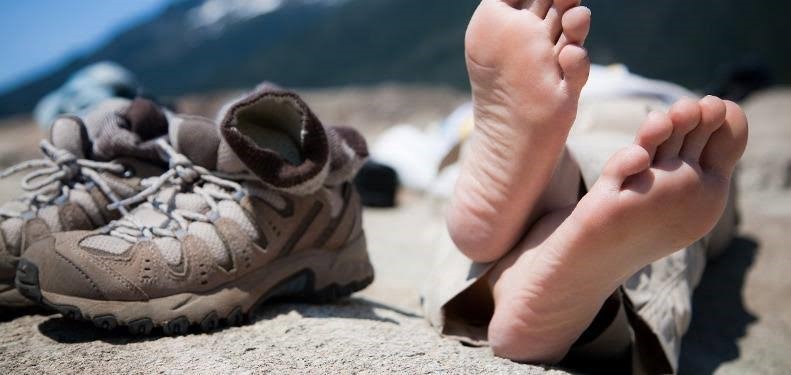
Hiking is a great way to stay active, enjoy the outdoors, and explore new trails. But long walks, uneven surfaces, steep climbs, and poorly fitting shoes can put a lot of strain on your feet.
Taking good care of your feet before, during, and after a hike can help prevent blisters, hot spots, toenail problems, excess moisture, and tired feet. A little preparation can go a long way toward keeping your feet comfortable throughout the journey.
Why Hiking Can Be Hard on Your Feet
Unlike walking on smooth, even surfaces indoors, hiking puts your feet through a lot more changes and impact. With every step, your feet may need to adjust to:
- Uneven and rocky trails
- Roots, stones, and rough ground
- Steep uphill and downhill sections
- Long hours of walking
- Wet, muddy, or slippery surfaces
- Changes in weather and temperature
All of this can put extra pressure on your feet and increase rubbing and friction, which may lead to discomfort, soreness, or blisters during a hike.
Choosing the Right Hiking Shoes
The shoes you wear can make or break your hiking experience. A good pair of hiking shoes not only keeps your feet comfortable but also helps reduce the risk of blisters, fatigue, and injuries on uneven trails.
When choosing hiking footwear, look for features such as:
- A comfortable, secure fit
- Soft cushioning for added comfort
- Durable soles with good traction
- Proper ankle support for rough terrain
- Plenty of space for your toes to move naturally
- Breathable materials to keep your feet cool and dry
Your hiking shoes should fit snugly around the heel without feeling tight around your toes. This helps prevent your feet from sliding inside the shoe, especially when walking downhill.
According to the Centers for Disease Control and Prevention (CDC), wearing properly fitted footwear with good support and reliable traction can improve stability and help reduce the risk of slips and falls.
Wear the Right Hiking Socks
Many hikers focus on their shoes, but the right socks are just as important. A quality pair of hiking socks helps reduce friction, keeps your feet dry, and adds extra comfort during long walks on the trail.
When choosing hiking socks, look for ones that:
- Fit comfortably without being too tight or too loose
- Pull moisture away from your skin to keep your feet dry
- Stay in place without slipping or bunching up
- Have smooth seams to help prevent irritation
- Provide enough cushioning for added support and comfort
If you’re planning a long hike, pack an extra pair of socks in your backpack. Changing into a fresh, dry pair if your socks become wet from sweat or rain can help prevent blisters and keep your feet feeling comfortable throughout your adventure.
Prevent Blisters Before Hiking
Blisters are one of the most common foot problems hikers face, and they can quickly turn an enjoyable adventure into an uncomfortable one. They usually develop when constant rubbing, excessive moisture, heat, or poorly fitting shoes irritate the skin.
The good news is that most blisters can be prevented with a few simple precautions.
Here are some easy ways to protect your feet:
- Wear hiking shoes that fit comfortably and don’t rub against your feet.
- Choose moisture-wicking socks to keep your feet dry.
- Change out of wet socks as soon as possible.
- Pay attention to “hot spots”—areas that feel warm, sore, or irritated.
- Make sure your socks fit well and don’t bunch up inside your shoes.
If you notice a hot spot while hiking, don’t ignore it. Take a short break, remove your shoe, and protect the area before it turns into a painful blister. A few minutes of prevention can save you from discomfort for the rest of your hike.
Protect Your Toenails
Your toenails can take a lot of pressure during a hike, especially when you’re walking downhill. As your feet naturally slide forward inside your shoes, your toes may repeatedly hit the front of the shoe. Over time, this can lead to discomfort and even minor injuries.
Common toenail problems hikers may experience include:
- Soreness or tenderness around the toenails
- Bruising under the nail
- Damaged or cracked toenails
- Pain caused by constant pressure
To help protect your toenails, trim them straight across and keep them at a comfortable length before your hike. It’s also important to wear hiking shoes with a roomy toe box, giving your toes enough space to move without rubbing against the front of the shoe.
Keep Your Feet Dry
Wet feet may not seem like a big problem at first, but they can quickly lead to blisters, skin irritation, and discomfort during a hike. Moisture from sweat, rain, or crossing streams softens the skin, making it more prone to rubbing and friction.
To keep your feet comfortable on the trail:
- Change into a dry pair of socks if your current ones become wet.
- Wear hiking shoes that are suitable for the weather conditions.
- Avoid staying in wet shoes for long periods whenever possible.
- After your hike, wash your feet and dry them thoroughly, especially between your toes.
Hiking Foot Care During the Hike
Take Short Breaks and Check Your Feet
During a long hike, it’s a good idea to take short breaks every now and then. Removing your shoes for a few minutes gives your feet a chance to breathe and allows you to spot small problems before they become painful.
While taking a break, check your feet for:
- Red or sore areas
- Hot spots that could turn into blisters
- Blisters or rubbing
- Swelling
- Skin irritation or discomfort
If you notice any of these signs, take care of them right away. A few minutes of attention can prevent a small issue from becoming a painful problem later in the hike.
Adjust Your Laces
If you feel your feet sliding forward inside your shoes—especially when walking downhill—don’t ignore it. Stop and adjust your shoelaces to create a more secure fit. Properly laced shoes help keep your heel in place, reduce pressure on your toes, and lower the risk of blisters and toenail injuries.
Stay Hydrated
Drinking enough water is just as important for your feet as it is for the rest of your body. Staying hydrated helps your muscles work efficiently, reduces fatigue, and can help prevent muscle cramps during long hikes.
Carry a water bottle or hydration pack with you and take small sips regularly instead of waiting until you feel thirsty. Keeping your body hydrated will help you stay comfortable and enjoy your hike from start to finish.
Foot Care After Hiking
Take Care of Your Feet After the Hike
After spending hours on the trail, your feet deserve a little extra care. A simple post-hike routine can help reduce soreness, prevent infections, and get your feet ready for your next adventure.
Wash Your Feet
Start by washing your feet with warm water and mild soap to remove dirt, sweat, and bacteria collected during your hike. Clean feet are less likely to develop skin irritation or infections.
Dry Them Completely
After washing, dry your feet thoroughly with a clean towel. Be sure to dry between your toes, as trapped moisture can lead to fungal infections and skin irritation.
Check for Any Signs of Injury
Take a few minutes to examine your feet before relaxing for the day. Look for:
- Blisters
- Small cuts or scrapes
- Bruises
- Swelling
- Damaged or sore toenails
- Red or irritated skin
Treating minor issues early can help prevent them from becoming more serious.
Give Your Feet Time to Rest
Your feet work hard during a hike, so allow them time to recover. If they feel tired or swollen, sit down and elevate them for a while to help reduce discomfort and improve circulation.
Stretch to Relieve Tightness
Finish your recovery with a few gentle stretches for your feet, ankles, and calves. Stretching helps loosen tight muscles, improves flexibility, and can reduce stiffness after hours of walking on uneven trails.
Common Hiking Foot Care Mistakes
Even experienced hikers can make simple mistakes that lead to foot pain or injuries. Paying attention to your feet throughout the hike can help you avoid unnecessary discomfort and enjoy your time outdoors.
Try to avoid these common mistakes:
- Wearing shoes that don’t fit properly or aren’t designed for hiking
- Heading out on a long hike with brand-new shoes that haven’t been broken in
- Ignoring hot spots or areas that feel sore, as they can quickly turn into blisters
- Keeping wet socks on for long periods after sweating or walking through water
- Trimming your toenails too short right before a hike
- Continuing to hike even when your feet are in persistent pain
- Pushing through a serious foot or ankle injury instead of taking a break or seeking medical attention
Remember, even a small foot problem can become much worse if it’s ignored. Taking a few minutes to care for your feet during your hike can help prevent bigger issues and keep you comfortable from start to finish.
Hiking Foot Care for Different Conditions
Special Foot Care Tips for Hikers
If you have an existing foot condition or have experienced a previous foot injury, it’s important to take a few extra precautions before hitting the trail. A little planning can help you hike more comfortably and reduce the risk of further problems.
Flat Feet
If you have flat feet, long hikes may put extra strain on your arches and ankles. Wearing supportive hiking shoes or using custom orthotics recommended by your podiatrist can provide better support, improve stability, and make long walks more comfortable.
Diabetes
People living with diabetes should pay special attention to their feet while hiking. Reduced sensation in the feet can make it difficult to notice blisters, cuts, or other injuries right away. Before and after every hike, carefully inspect your feet for any signs of irritation or damage, and always wear properly fitted hiking shoes and clean, moisture-wicking socks.
Previous Foot or Ankle Injuries
If you’ve had a foot or ankle injury in the past, don’t assume it’s fully protected during a hike. Uneven trails and long distances can place extra stress on previously injured areas. Before planning a challenging hike, talk to your podiatrist or healthcare provider about the right activity level, supportive footwear, or braces that may help keep you safe and comfortable.
Hiking Foot Care Checklist
Following a simple foot care routine before, during, and after your hike can help prevent discomfort and keep your feet healthy throughout your adventure.
Before You Start Your Hike
Preparing your feet before you hit the trail can make a big difference.
- Check your hiking shoes to make sure they’re in good condition and provide proper support.
- Wear clean, comfortable, moisture-wicking hiking socks.
- Trim your toenails to a comfortable length to help prevent pressure and irritation.
- Pack an extra pair of socks in case your feet get wet.
- Carry a small first-aid kit with blister pads or bandages for unexpected foot problems.
While You’re Hiking
Taking care of your feet during the hike helps prevent small issues from becoming painful.
- Take short breaks to rest your feet and check for any signs of rubbing or irritation.
- Pay attention to hot spots, as they can quickly turn into blisters if ignored.
- Change into dry socks if your feet become wet from sweat or rain.
- Drink water regularly to stay hydrated and support your muscles during the hike.
- If your feet slide around inside your shoes, stop and adjust your shoelaces for a more secure fit.
After Your Hike
A few minutes of post-hike care can help your feet recover more quickly.
- Wash your feet to remove dirt, sweat, and bacteria.
- Dry them completely, especially between your toes.
- Check for blisters, cuts, swelling, or any signs of injury.
- Allow your hiking shoes to dry completely before wearing them again.
- Give your feet enough time to rest and recover before your next hike.
When to See a Podiatrist
It’s common to have a little soreness or tiredness in your feet after a long hike, and most minor discomfort usually gets better with rest and proper foot care. However, some symptoms shouldn’t be ignored, as they may be a sign of a more serious injury.
Consider visiting a podiatrist if you experience any of the following:
- Severe foot pain that doesn’t improve with rest
- Noticeable swelling in your feet or ankles
- Difficulty walking or putting weight on your foot
- Deep blisters or blisters that become red, swollen, or show signs of infection
- Pain that continues even after a few days of rest
- Foot problems that keep coming back every time you hike
- Cuts, sores, or wounds that are slow to heal
Listening to your body is important. If your foot pain becomes severe or an injury makes it difficult to walk, don’t try to push through it. Continuing to hike could make the injury worse and delay your recovery. Getting professional care early can help you heal faster, prevent complications, and get you back to enjoying the trails safely.
FAQ's
Yes. Long distances, uneven terrain, friction, moisture, and unsuitable footwear can contribute to several foot problems.
In most cases, yes. Hiking shoes are designed to provide better grip, support, and stability on uneven terrain. They also help protect your feet from rocks, roots, and rough surfaces, making your hike safer and more comfortable.
Absolutely. Wearing well-fitted, moisture-wicking socks helps keep your feet dry and reduces friction inside your shoes. This can significantly lower the chances of developing painful blisters during a hike. Separated they live in Bookmarksgrove right at the coast
It's best not to ignore a blister. Continuing to hike on a painful blister can make it worse and increase the risk of infection. If you notice a blister, clean and protect the area, and consider taking a break or ending your hike if walking becomes too uncomfortable.
Yes. People with diabetes should take extra precautions because they may not always feel cuts, blisters, or other foot injuries right away. Before and after every hike, inspect your feet carefully, wear properly fitted hiking shoes, and choose moisture-wicking socks. If you notice any wounds or signs of infection, contact your podiatrist as soon as possible.