
Walking Barefoot: Benefits, Risks & Foot Health Tips
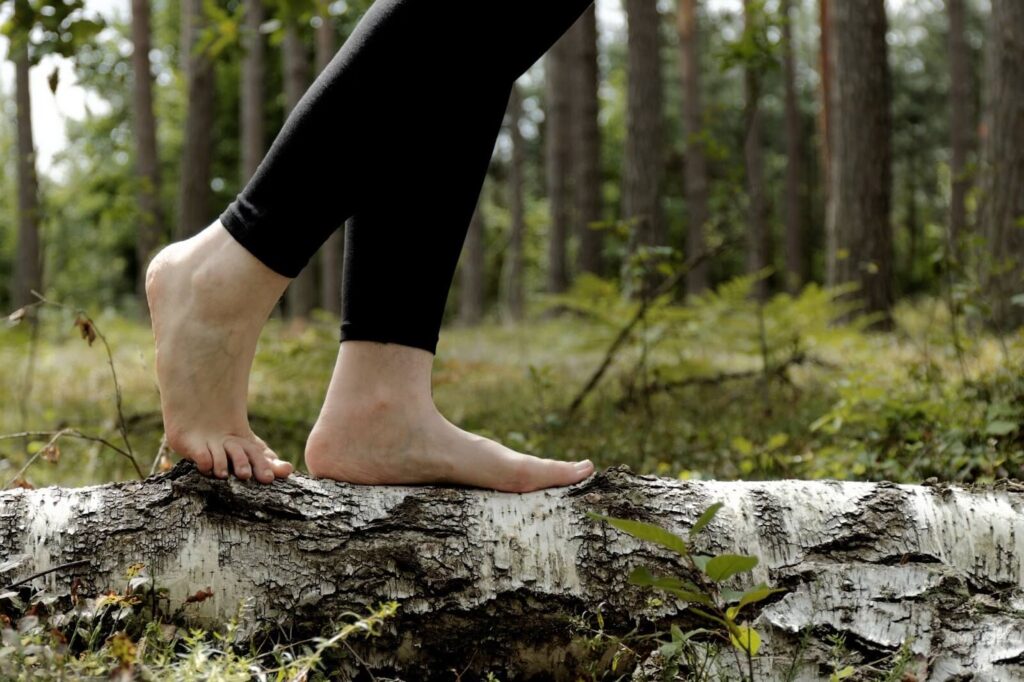
Walking barefoot can feel comfortable and natural, whether you’re relaxing at home, strolling on the beach, or spending time in the garden. For many people, it can help improve balance, strengthen certain foot muscles, and create a better connection with the ground beneath their feet. However, going barefoot isn’t the right choice for every surface or everyone.
Knowing when it’s safe to walk barefoot – and when it’s better to wear supportive footwear – can help protect your feet from injuries, infections, and unnecessary strain while supporting good overall foot health.
Is Walking Barefoot Good for Foot Health?
Walking barefoot on clean, safe, and natural surfaces can help strengthen the small muscles in your feet, improve balance, and encourage more natural movement. However, walking barefoot on hard, rough, or uneven surfaces may place extra stress on your feet and increase the risk of pain, injury, or infection.
The key is knowing when it’s safe to go barefoot and when supportive footwear is the better choice. Finding the right balance can help keep your feet healthy, strong, and protected.
Benefits of Walking Barefoot
1. Strengthens Foot Muscles
Walking barefoot encourages the small muscles in your feet to work harder, which can help improve strength, stability, and overall foot function over time.
2. Improves Balance
Without shoes, your feet receive more direct feedback from the ground. This increased sensory input can help improve balance, coordination, and body awareness.
3. Encourages Natural Foot Movement
Walking barefoot allows your feet and toes to move more naturally. Your toes can spread freely, which may support better balance and a more natural walking pattern.
4. Promotes Better Foot Awareness
Going barefoot helps you become more aware of how your feet move and how you distribute your weight. This greater awareness can encourage better posture and healthier movement habits.
Possible Risks of Walking Barefoot
Cuts and Puncture Wounds
While walking barefoot has its benefits, it also exposes your feet to potential injuries. Stepping on sharp objects such as broken glass, nails, stones, or other debris can cause cuts, puncture wounds, and painful injuries.
Wearing appropriate footwear in outdoor or unfamiliar areas is one of the best ways to protect your feet from these avoidable injuries.
Plantar Fasciitis
Walking barefoot on hard surfaces can place extra strain on the plantar fascia, the thick band of tissue that supports the arch of your foot. Over time, this added stress may contribute to heel pain or worsen existing plantar fasciitis, especially in people who are already prone to the condition.
Foot Fatigue
Walking barefoot for long periods on hard surfaces such as concrete or tile floors can put extra stress on the muscles in your feet. This may lead to foot fatigue, soreness, and discomfort, especially after prolonged standing or walking.
Fungal Infections
Walking barefoot in public places such as showers, swimming pools, or locker rooms can increase your risk of fungal infections. Wearing flip-flops or other protective footwear in these areas can help keep your feet safe and reduce the chance of infection.
Higher Risk for People With Diabetes
People with diabetes should avoid walking barefoot, as even a small cut, blister, or scrape can go unnoticed and may lead to serious complications. Wearing protective, well-fitting footwear helps reduce the risk of injuries and supports better foot health.
When Should You Avoid Walking Barefoot?
Walking barefoot isn’t the best choice for everyone. Some people have a higher risk of foot injuries or complications and should wear supportive, protective footwear instead.
Walking barefoot may not be suitable for:
People with diabetes
Individuals with poor blood circulation
Those with peripheral neuropathy (reduced sensation in the feet)
Anyone recovering from foot surgery
People with severe flat feet
Individuals with open wounds, cuts, or skin infections
If you have any of these conditions, a podiatrist can recommend the safest footwear and foot care plan to help protect your feet and prevent complications.
Where You Can Walk Barefoot Safely
Walking barefoot can be beneficial when you’re on clean, safe, and forgiving surfaces that reduce stress on your feet and lower the risk of injury.
Safer surfaces include:
Clean grass
Soft sand
Smooth indoor exercise mats
Clean home flooring for short periods
Avoid walking barefoot on:
Concrete or other hard surfaces
Hot pavement
Rocky or uneven trails
Public locker rooms, showers, or pool areas
Construction sites or areas with sharp debris
Choosing the right surface can help protect your feet, reduce the risk of injury and infection, and make barefoot walking safer and more comfortable.
Safer Alternatives to Barefoot Walking
If you enjoy the comfort and natural feel of walking barefoot but want to protect your feet, there are several good alternatives that offer both support and safety.
Consider wearing:
Minimalist shoes for a more natural walking experience
Supportive sandals with good arch support
Indoor supportive slippers for use at home
Orthotic-friendly footwear if you need extra foot support
These options can provide better comfort, reduce the risk of injury, and help keep your feet healthy while allowing for natural movement.
Daily Foot Care Routine After Barefoot Walking
Taking a few minutes to care for your feet after walking barefoot can help prevent injuries, reduce discomfort, and keep your feet healthy.
Inspect Your Feet
Check your feet carefully for:
Cuts
Splinters
Blisters
Skin irritation
Finding and treating small injuries early can help prevent infection.
Wash Your Feet
After walking outdoors, wash your feet with warm water and mild soap to remove dirt, bacteria, and other debris. Dry them thoroughly, especially between the toes.
Moisturize Dry Skin
Apply a moisturizer to keep your skin soft and help prevent dryness and cracking. Avoid applying moisturizer between the toes, as excess moisture can increase the risk of fungal infections.
Stretch Your Feet
Finish with a few gentle foot and calf stretches to relax your muscles, improve flexibility, and relieve any tension after activity.
Facts and Myths About Walking Barefoot
Myth 1: Walking barefoot is always healthy.
Fact: Not always. The benefits of walking barefoot depend on the surface you’re walking on, your overall foot health, and whether you have any existing foot conditions.
Myth 2: Walking barefoot cures foot pain.
Fact: Barefoot walking may help some people, but it can make pain worse for others, especially if they have conditions such as plantar fasciitis, flat feet, or other foot problems.
Myth 3: Shoes always weaken your feet.
Fact: Well-fitting, supportive shoes help protect your feet from injuries, reduce excessive strain, and provide the support needed for healthy daily movement.
FAQs
It depends. Walking barefoot can be beneficial on safe, natural surfaces, but spending long periods barefoot on hard floors may increase strain on your feet.
Yes. Walking barefoot may help strengthen the small muscles in your feet when introduced gradually and practiced on safe surfaces.
Yes. Walking barefoot on hard surfaces may place extra strain on the plantar fascia and can worsen plantar fasciitis in some people.
People with diabetes, poor circulation, neuropathy, or open wounds should avoid walking barefoot unless their healthcare professional advises it is safe.